
Plumbing is one of the most impressive modern luxuries. Its intricate systems, parts, and fixtures provide us with clean water in our homes and other establishments. Not only that, but it provides us with nearly perfect ways of ridding our breathing spaces and homes of toxic materials through pipes.
One of the most integral parts of all for ridding our home and other establishments of these toxic materials and replenishing them with clean water is the toilet flush valve. But what exactly is this part and what is its role? Let’s take a closer look at the answers to these questions– and many more about this integral plumbing part.
What Is a Flush Valve?
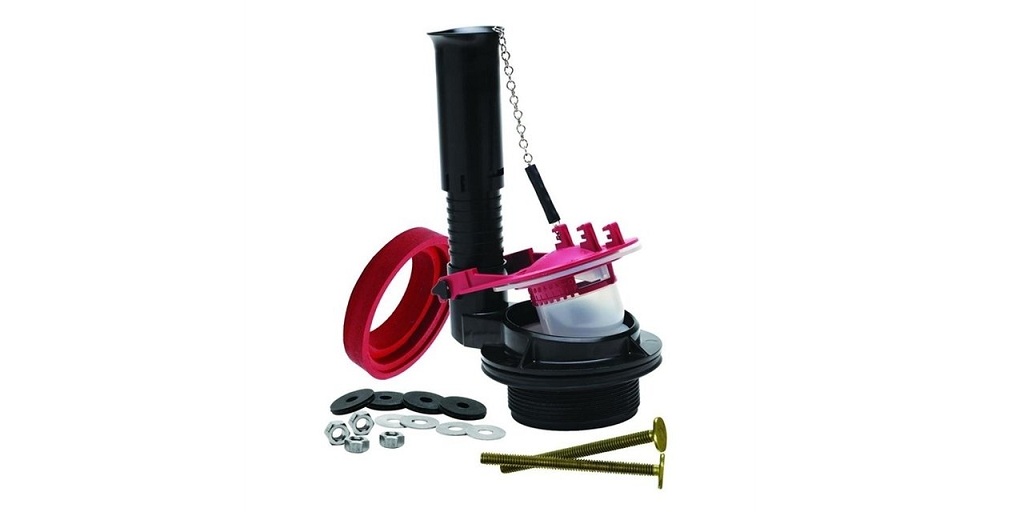
A flush valve is a self-closing valve that is located in the middle of a toilet tank that, when activated, moves water into the toilet bowl. It is composed of three different elements: the overflow tube, the siphon jet, and the rubber tank ball/flapper.
Do New Toilets Come with It?
Almost all toilets already come with the valve installed. However, there are occasionally toilets that do not have it automatically included. Make sure to check from where you purchase the toilet to be certain.
How Much Pressure Does It Need?
As you might imagine (or already know), pressure is quite a vital component to a successful flush. Each successful flush using this typical valve requires a water pressure of maximum 35 PSI.
How Do You Know When It Is Broken?
This valve plays an integral role in the proper refilling of a toilet post-flushing of waste, so it should come as no surprise that it can sometimes break. There is one classic sign of a broken valve: a constant sound of running water through the tank.
Who Invented the Very First?
Actually, the answer to this one might surprise you. The very first flushing toilet (and, in turn, the first valve for flushing) was invented way back in 1596! The inventor was Sir John Harington, who was actually Queen Elizabeth I’s godson. Sir John Harington built the first flushing toilet because his godmother requested it, yet she later refused to use it because it was simply too loud!
When Did Flushing Toilets Become Popular?
You could obviously gather that the flushing toilet didn’t take off in popularity in the late 16th century when it was first invented, so when did it become popular?
In 1906, the more modern valve for flushing was patented by William E. Sloan. After he patented it, he created the first flushing toilet, which picked up traction in both residential and commercial locations.
What Are the Best Options Today?
Almost all reputable and popular plumbing parts manufacturers design and sell these integral plumbing valves. Some fine examples include Sloan (of course), Leonard, American Standard, Delany, KOHLER, and many more!
