
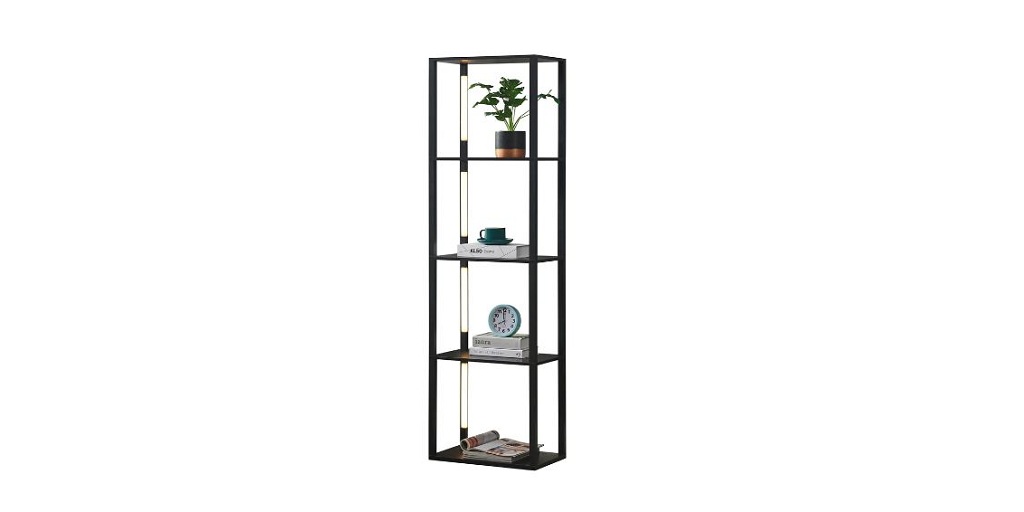
The history of curiosity cabinets and curio shelves is a long and interesting one. These cabinets and shelves were initially used to store and display items that were considered to be curiosities. These items were often collected by individuals who were interested in the natural world or in the arts and sciences.
Over time, the term “curiosity cabinet” came to be used more broadly to refer to any type of cabinet or shelf that was used to display items of interest. Today, curiosity cabinets and curio shelves are still used for this purpose. However, they are also used as a way to display items that are considered to be collectibles.
But where did this cabinet of curiosities begin? Let’s learn more about the origins of these cabinets and shelves and what the Renaissance contributed to their popularity.
What is a Curiosity Cabinet?
A curiosity cabinet, also known as a curio shelf, is a type of storage unit that is used to display collectibles and other items of interest. These units can be found in a variety of settings, including homes, offices, and museums.
The history of curiosity cabinets dates back to the Renaissance, when wealthy aristocrats began to collect items from all over the world. These items were often displayed in grand cabinets that were designed to impress visitors.
Today, curiosity cabinets are still used to display collections, but they are also used as a way to add a touch of personality to a space. Some people use them in their homes or offices to add some character to their home decor, while others use them for storing family memorabilia.
A Status Symbol and More
In Renaissance Italy, curio shelves and cabinets were a status symbol. They were often used to display a family’s wealth and prestige, and were often passed down from generation to generation.
It was a way to show off a person’s collection of fine art, scientific finds, or natural specimens that include animal bones, elements, and other natural curiosities. Often people of wealth often used it as a way to define their personality and character to visitors.
And these days it’s not any different. Many people have these pieces of furniture to show off the collection, whether it’s a hobby or a part of their work and study. These pieces of furniture are both beautiful and functional, and still have the reputation of being a must-have for a person with a scientific mind or an eccentric streak.
Modern Design and Tradition Combine
The curiosity cabinet is now making a comeback, with the open room design concept making a place for designer cabinets that make a statement. Designers have modernized it to include personal items that tell a person’s story.
Place your cabinet or shelf in an area where your house sees high traffic. An entry way or a living room is a great place for your cabinet or shelf, so everyone will have the chance to view pieces that will strike their interest.
But this also means making sure that your curiosity cabinet fulfills modern design aesthetics. This means using bold colors, combining quirky styles and pieces, and placing family heirloom with modern novelty pieces.
Of course, the key to combining the items requires some restraint. Too many objects and artifacts can only appear as clutter, and will not highlight specific pieces that you want your visitors to see.
Choosing a cabinet or curio shelf (such as the Fancy LED display shelves available at FENLO) to display your favorite items, decor and even travel souvenirs can be a good way to show your interests, things people have given you, and special pieces that have meaning for you.
