
Have you been considering using a topical CBD oil recently, but want to learn a little more before you try it? Start here!
What Is CBD?
Cannabidiol, or CBD, is one of two major cannabinoids naturally produced by hemp plants, the other being tetrahydrocannabinol, better known as THC.
Unlike THC, CBD does not cause the familiar high. It is instead used for a wide range of other potential therapeutic benefits, such as pain relief, anxiety/stress control, and to promote better sleep (more benefits covered below).
What Is Topical CBD Oil? Are There Other Topical Products?
Topical CBD oil is an oil blend that contains a concentration of CBD and, typically, a carrier oil that is readily absorbed through the skin to promote absorption and bioavailability, such as fractionated coconut oil.
There are other topical CBD products in addition to skin oils, such as creams, body salves, rubs, ointments, and CBD lotions.
How Effectively Can CBD Be Absorbed Through the Skin?
That depends on the carrier oil. Some high-quality topical CBD oils are blended with hydrophilic oils that reduce the particle size and promote faster absorption across the skin barrier.
When prepared or blended in this manner, CBD oils can be readily absorbed through the skin and thanks to superior absorption and bioavailability, reduced dosages of CBD can enhance the potency of effects.
What Are the Potential Benefits of Using CBD Oil Topically?
CBD may carry a number of potential benefits, including but not limited to:
● Anxiety/stress relief
● For its anti-inflammatory properties
● To relax the muscles
● To ease feelings of nausea
● To drive sexual performance
● To encourage hormone balance
These are only a few of the potential benefits of CBD – for more information, consult a medical expert or perform additional research.
Can CBD Really Reduce Inflammation?
CBD is widely considered to be an anti-inflammatory agent, as well as a pain reliever. Some studies suggest as much. For instance, research suggests that CBD is able to reduce glucose-induced endothelial cell inflammatory response.
Another study demonstrated that CBD can effectively reduce the levels of pro-inflammatory cytokines, and can reduce T cell proliferation while inhibiting T cell apoptosis. So yes, it can potentially be an effective anti-inflammatory agent.
Are There Other Ways to Take CBD Supplements?
In addition to topical CBD oil, there is a wide range of other CBD supplements on the market. These include but are not limited to CBD capsules, gummies, tinctures, and powders. There are also CBD vapes and even CBD beverages, like sports water.
Where Can You Get a High-Quality Topical CBD Oil?
Looking for a high-quality topical CBD oil – or some other form of topical CBD product – to try out and see if you can reap some of the benefits covered here?
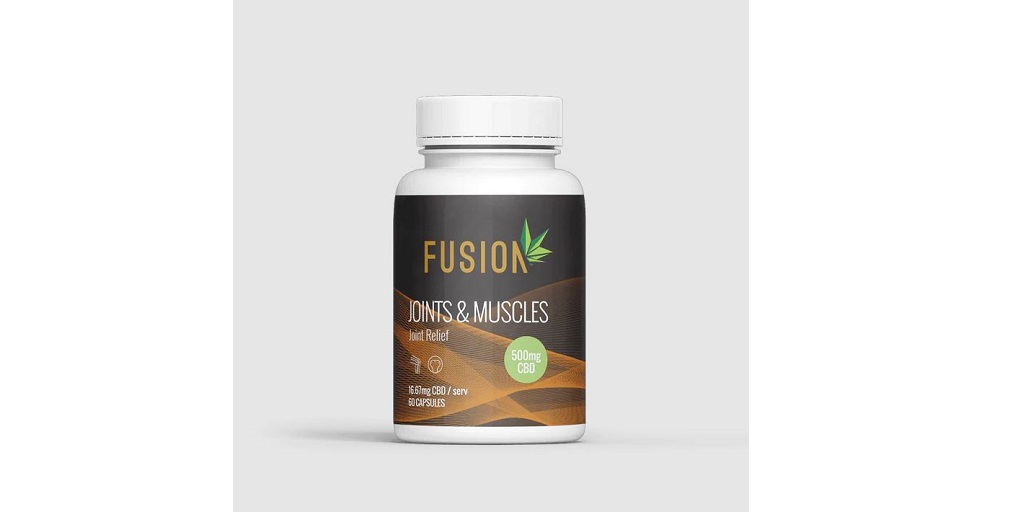
Check our Fusion CBD Products at the previous link. They offer a wide range of CBD products made with the purest, highest-quality ingredients and are highly rated and reviewed by customers.
But don’t take our word for it – see for yourself – and contact them directly if you have any questions.
