
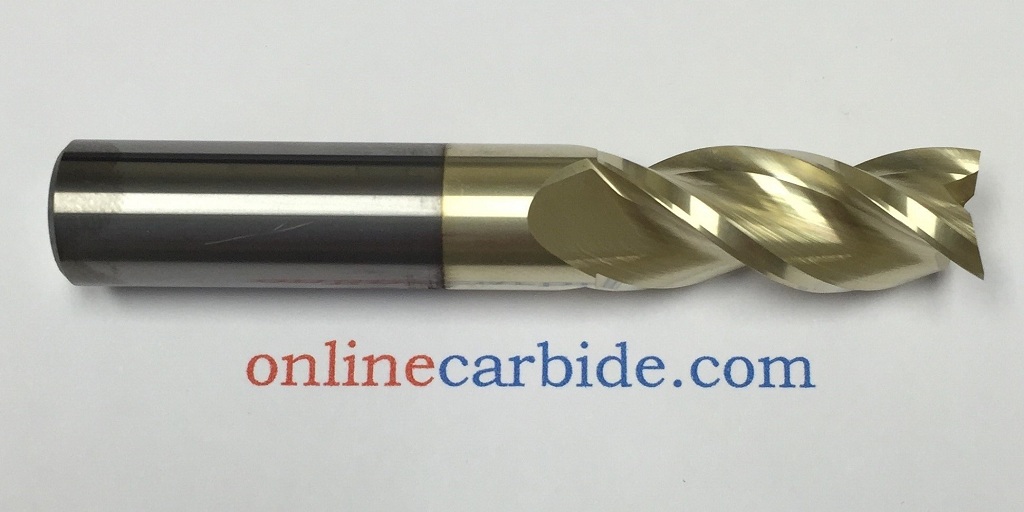
Modern milling machines have had a huge impact on how we produce custom components. Parts that might have once taken hours or days for a skilled machinist to create can now be machined in seconds thanks to computer numerical control. In order to complete a wide range of milling operations, shops need to keep a wide range of end mills in stock. There are a wide variety of end mills for sale, so today we will be looking at what makes different types of end mills distinct.
Standard End Mills
The most basic end mills are your standard square and ball end mills. These are designed to either cut a square or round channel and can vary dramatically in terms of their flute numbers and size. High flute tools are intended for hard materials like steel while tools with lower flute counts can work well when machining softer materials. These styles of tools are some of the most utilitarian workhorses in any machinist’s arsenal.
Thread Mills
When machining components with threaded surfaces, thread mills are essential. These tools can cut threads quickly and with amazing accuracy, making them a superior option to threading with traditional tap and die tools. Full form thread mills can cut an entire threaded surface in one 360 degree pass.
Chamfer Mills
Chamfer cutters are designed to help soften the edges of a finished workpiece. They have a sharp point that can be used to chamfer or bevel edges. The point can also be used to deburr your workpieces and to perform detailed tasks like engraving.
Variable Mills
When it comes to high speed machining, tool vibrations can cause a loud noise known as tool chatter which can also damage the finish of your cuts. Variable end mills are designed with slight asymmetry to help break up these vibrations and operate without intense vibrations.
End Mills for Aluminum
While steel tools require more flutes to break smaller chips, end mills for aluminum need to have fewer flutes so the large aluminum chips can clear the cutting tool. These tools also typically have higher helix angles for the same reason. Soft aluminum can easily build up around the base of a cutter and
Drill Mills
So far all of the tools we have looked at have been designed for wide milling applications. Drill mills are a unique combination of design elements from both end mills and drill bits, allowing them to perform both drilling and milling operations. This makes these tools extremely versatile. A drill mill can be used to side mill, cut notches, drill holes, and chamfer.
If you are looking for quality end mills for sale, then you can find all of these options and more at Online Carbide. All of their tools are manufactured from solid carbide and are available at manufacturer direct prices when you visit www.onlinecarbide.com. If you have any questions about any of the end mills and drill bits that they carry, you can reach out to a member of their team by sending an email to sales@onlinecarbide.com.
