
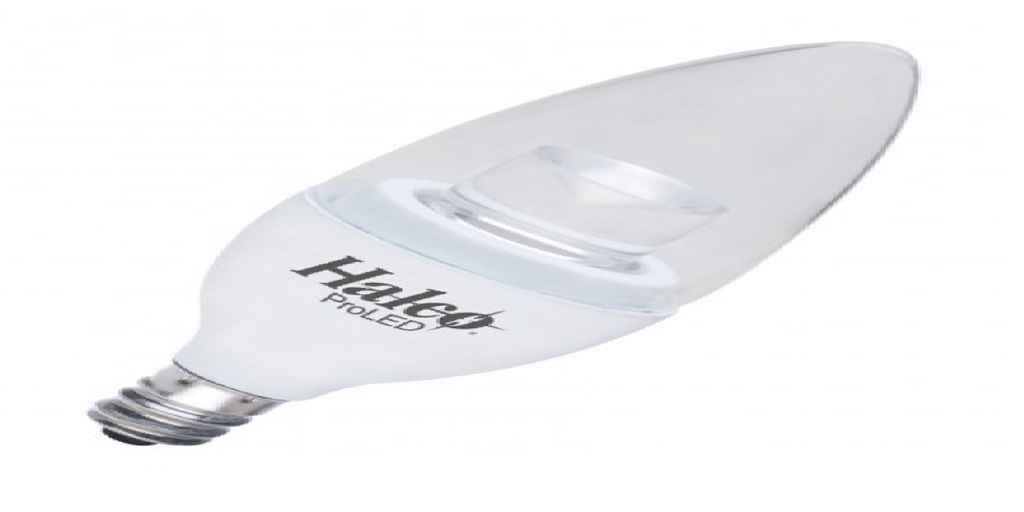
It’s not uncommon to find many of your friends, families, neighbors or your very own home have a chandelier in some room of the house. Whether a grand chandelier is placed right in your foyer or a smaller one is in your bedroom to give the room a more sophisticated and elegant look, chandeliers are a great addition to the light fixtures in your home.
Chandeliers can come in a variety of different sizes, shapes, colors, and price points. One thing is for sure when it comes to a chandelier, they are nothing short of beautiful. Other than in your day-to-day life, chandeliers are a marker of tradition, beauty, and the ultimate decorative lights you could have in your home.
Now, with chandeliers, there are a lot of lights. And we mean a lot. The average chandelier has over 45 separate light bulbs. That’s a lot for just one light fixture. Eventually, those bright and shining lights will burn out and need to be replaced. The rule of thumb is to replace all of the bulbs every year or so, depending on how much the chandelier is used.
But, annually replacing chandelier lights can get expensive and tedious. Imagine unscrewing more than 45 tiny, little light bulbs and rescrewing 45 new ones back on. I don’t think that’s how you would want to spend your Saturday afternoon.
So, in order to alleviate yourself from that nuisance of a chore, consider replacing your chandelier bulbs once a for all with LED chandelier light bulbs. But how do these chandelier bulbs compared to traditional bulbs? Well, let’s explore more into that.
Why LED Lights?
LED is an acronym for light emitting diode. Obviously, it’s a light, so it will emit light. But what exactly does a diode do in a lightbulb? The unique thing about LED light bulbs is that they produce light by passing an electrical current through the diode which thus emits the light through a very scientific term called electroluminescence.
This long, hard to spell word basically means that a material such as the diode we are speaking of emits light once there is a power supply. Conversely, incandescent light bulbs work by passing electricity through a filament, which is a small wire. As a result, it creates both heat and light, which explains why some light bulbs get really hot to the touch after being on for too long.
LEDs on the other hand, do not rely on that heat to produce their light, making them that much more efficient and economical compared to other forms of light bulbs. So, LEDs are very efficient, which means that they last much longer compared to other traditional light bulbs. This not only saves you money by not having to constantly replace those 45 small light bulbs on your chandelier every single year, but it’s much better for the environment.
Another huge perk of LED light bulbs is that they are extremely versatile. They can be applied to most light fixtures, including chandeliers. So, if you are looking to save some time, money, and the headache of constantly replacing your chandelier’s light bulbs, consider buying LED chandelier light bulbs.
Not only do they last much longer, but they will also shine brighter than other types of light bulbs. If you need a place to find all those 45 LED light bulbs, check out the inventory from Atlanta Light Bulbs. On their website atlantalightbulbs.com, you can find a great selection of chandelier lights in many different sizes to suit whichever kind of chandelier is in your home.
