
As any professional knows, having the right tools on hand can make a huge difference in how your work day is going to go. The tools you choose can make a job seem like it was dragging on forever, or like it was over in a snap. When working with sheet metal all day, you want to make sure that you have the right metal cutting tools that will allow you to cut down and manipulate the material as needed. Let’s take a look at some of the metal cutting tools you will want to consider adding to your toolkit if you work with sheet metal often.
1. Shears
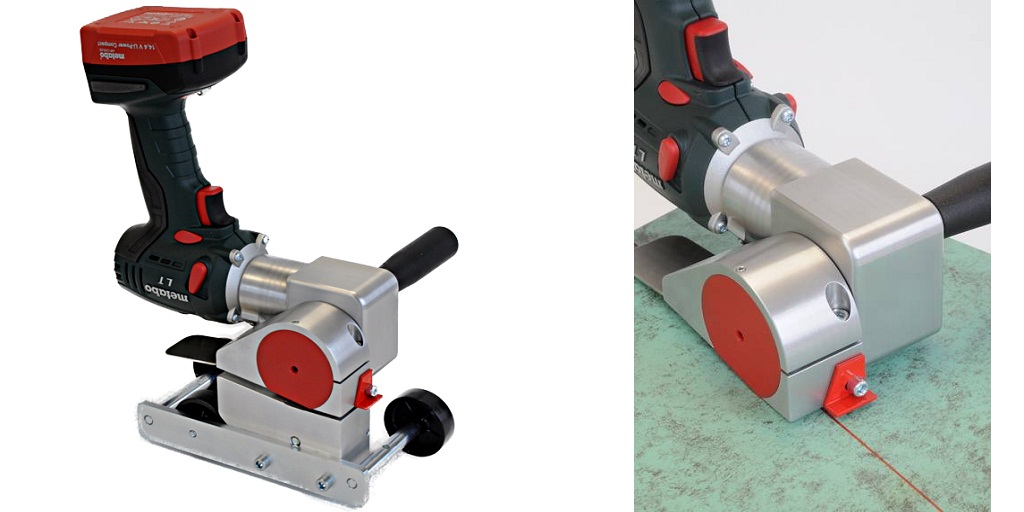
Shears are pretty great to have for making precise cuts into sheet metal. These tools are versatile and helpful to have around in their more basic designs, but can also be found as drill attachments or power tools, so you can get the right kind of shears for the exact projects you have coming up. They work by cutting into sheet metal, much like scissors, with a clean line right where you want it to be. They are easy to use and can be found in a wide range of designs and price points.
2. Nibblers
Nibblers work similarly to shears, but have a key difference that affects how and why you use them. While nibblers cut through sheet metal, they also remove a thin sliver of metal as they go. This is meant to provide a much cleaner cut to the material because it reduces any waviness and distortion in the metal. This helps to preserve the integrity in the material you are working with to keep it in great condition after cutting it. The fact that some metal is removed when using these metal cutting tools will usually not make a difference, but you might on some occasions want to consider that in your measurements.
3. Slitters
Slitters are wonderful metal cutting tools when efficiency is a priority of yours. These tools are normally brought in when you are trying to cut down a coil of sheet metal to get to a certain size. With the metal rolled up, you can use your slitters to breeze through the width of the material easily and quickly. Slitters are great for those who have to work through large amounts of metal at a time and need to work efficiently.
4. Punches
Punches are pretty distinct from the previously mentioned metal cutting tools because of the purpose and how they work. Unlike the other tools, punches are meant to create clean cuts in metal where items like bolts and screws can be passed through. They can also be used to create indentations in the metal which act as guides for reference when determining placements or measurements. They are actually quite versatile and handy to have around for a variety of different projects. Their relatively small size also helps make them even more convenient.
To get started shopping for some new metal cutting tools, you will want to check out stortz.com. They have a great selection of high-quality tools for all kinds of projects, including different types of metalwork. They will definitely be able to help you complete your toolkit with just about anything you might need.
