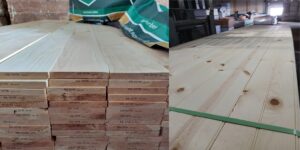
Choosing the right wood for a butcher block can completely change the look and feel of your DIY kitchen. If you’re looking for a countertop that’s warm, inviting, and budget-friendly, butcher block deserves a spot on your shortlist. It combines natural beauty with practical function, making it a favorite among homeowners who enjoy tackling renovation projects themselves.
Before you commit, though, it’s important to understand both the advantages and the drawbacks. Like any countertop material, butcher block has strengths and weaknesses that should be considered before installation.
Why Butcher Block Is Perfect for DIY Projects
One of the biggest reasons homeowners choose butcher block is its DIY-friendly installation. Unlike stone countertops, which often require specialized equipment and professional installers, butcher block can usually be cut, shaped, and installed using common woodworking tools. If you have basic carpentry skills and a little patience, installing these countertops can become a manageable weekend project. Since the material is heavy, having an extra set of hands makes the job easier, especially when positioning large countertop sections.
It also means a lower installation cost. Doing the work yourself can save a significant amount compared to hiring professionals for granite or quartz countertops.
The Natural Beauty of Wood
Few countertop materials offer the same warmth as real wood. Butcher block instantly softens a kitchen, creating a comfortable and welcoming space that works well with farmhouse, modern, rustic, or Scandinavian-inspired designs. Every slab has its own unique grain pattern, giving your kitchen character that manufactured materials often struggle to replicate. Over time, the surface develops a lived-in appearance that many homeowners find appealing rather than distracting.
Budget-Friendly Without Looking Cheap
Kitchen remodels can become expensive very quickly, especially when premium countertop materials are involved. Butcher block offers an affordable alternative while still providing a high-end appearance. Depending on the wood species you choose, the material typically costs much less than natural stone or engineered quartz. For homeowners remodeling on a budget, that difference can free up money for new cabinets, lighting, or appliances.
The Pros of Butcher Block Countertops
Butcher block is popular because it’s repairable. Minor scratches, stains, and surface wear don’t necessarily mean replacing the entire countertop. In many cases, sanding and refinishing the surface can restore its appearance. Butcher block also works equally well as a full kitchen countertop, a large island surface, or even a dedicated food preparation station. Many homeowners also appreciate that wood never feels as cold or industrial as stone. It creates a kitchen that feels comfortable and lived in rather than overly formal.
The Cons to Keep in Mind
Despite its many benefits, butcher block isn’t maintenance-free. Wood is naturally softer than granite or quartz, making it more susceptible to scratches, dents, and everyday wear. Heavy cookware, dropped utensils, and frequent cutting directly on the surface can leave visible marks over time.
And working in the kitchen means moisture. Areas around sinks require extra attention because standing water can eventually damage unprotected wood. Applying a quality protective finish helps prevent moisture from penetrating the surface and significantly extends the countertop’s lifespan. Depending on the finish you choose, periodic refinishing may eventually be necessary. Fortunately, this maintenance is relatively straightforward and helps keep the countertop looking its best for years.
Choosing the Right Wood for a Butcher Block Countertop
Not all hardwoods perform exactly the same. Some are naturally harder and better able to resist everyday wear, while others offer a lower purchase price but may show dents and scratches more easily. Selecting the right species depends on your budget, cooking habits, and how much you will use it. Finding the right balance between durability, appearance, and cost is often the key to long-term satisfaction.
If you enjoy DIY home improvement projects and appreciate natural materials, butcher block is an excellent option worth considering. It offers an attractive combination of affordability, versatility, and timeless style while remaining one of the easiest countertop materials for homeowners to install themselves. Finding the right wood for a butcher block countertop can provide years of dependable performance while giving your kitchen a warm, handcrafted look that never goes out of style.
For more information about Cedar Siding and Deck Boards Please visit: Empire Real Lumber.