
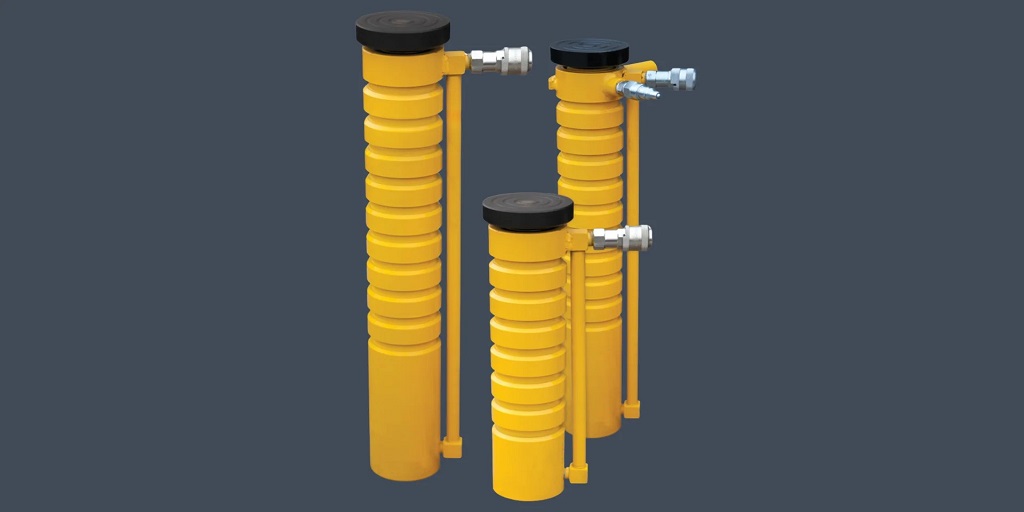
House cribbing is the process of temporarily supporting or lifting a structure using an engineered system of hydraulic jacks, steel or timber lifting beams, and stacked crib blocks. It is most commonly used for foundation replacement, house relocation, and structural repairs to sill plates or floor framing. When performed correctly, house cribbing allows contractors to suspend the full weight of a home, sometimes hundreds of thousands of pounds, safely in place while critical work proceeds underneath.
How a Cribbing System Works
A cribbing system begins with carrying beams inserted beneath the structure, typically through openings in the foundation wall. These beams span between vertical crib stacks — towers of alternating hardwood timber or steel blocks that form the primary load-bearing columns of the system. Hydraulic crib jacks positioned beneath the carrying beams perform the actual lifting. Once the structure reaches the desired height, the crib stacks take over as the holding support, keeping the building elevated while the jacks are repositioned or removed.
Modern house cribbing operations use synchronized hydraulic systems that link all jacks to a central pump and manifold. This allows the entire structure to rise simultaneously at the same rate, critical for preventing the racking or cracking that occurs when one side of a building moves faster than the other.
Why Crib Jack Quality Is Critical
Crib jacks are the most consequential piece of equipment in any lifting operation. A high-quality hydraulic jack offers precise load control, heavy-duty seals that hold pressure under sustained load, and a robust base that resists tipping. Low-quality or poorly maintained jacks are a serious liability, a slow hydraulic leak under full load can cause the structure to shift unevenly, destabilizing the entire crib system.
Jack capacity must be matched carefully to the load. Contractors typically select jacks rated well above the calculated working load per support point, building in a meaningful safety factor. Stroke length also matters: jacks with greater travel reduce the number of times the crew must re-stack crib blocks and reset equipment to gain additional height. For any significant lifting project, always verify that the contractor is using properly rated, regularly inspected jacks with a documented maintenance history.
Managing Weight Distribution
Weight distribution is the most technically demanding aspect of house cribbing. A house does not carry its load uniformly: chimneys, fireplaces, bathtubs, and structural beams create concentrated loads at specific points. Crib jacks and support stacks must be positioned beneath load-bearing walls and primary structural members to intercept these loads effectively. Placing a support under a non-load-bearing area, or leaving a heavily loaded zone unsupported, introduces dangerous stress concentrations that can crack or rack the building.
During the lift, the pump operator monitors hydraulic pressure at each jack in real time. A pressure spike at one jack signals that load is migrating to that point, allowing the operator to rebalance the system before damage occurs. Precision levels or electronic inclinometers placed at multiple points on the structure track levelness throughout the operation. Once the structure is at its final height, load must be carefully transferred from the jacks to the crib stacks using shims, ensuring every stack is fully and evenly seated before the jacks are relieved.
Ground conditions beneath the crib stacks are equally important. Soft or unstable soil must be reinforced with timber mats or bearing pads to spread the point load over a larger area. Any differential settlement of the ground during the holding phase will cause uneven movement in the structure above, so monitoring continues until all work is complete and the building is set back down.
Sourcing House Cribbing Equipment
House cribbing is a high-stakes operation where the quality of the equipment and the precision of the execution directly determine the safety of the structure and the crew. Investing in properly rated crib jacks, thorough load planning, and continuous weight distribution monitoring is not optional, since it is what separates a successful lift from a structural failure. For this, we recommend Buckingham Structural Moving Equipment, who specialize in house moving and jacking.
For more information about Toe Jacks and Shoring Jack Please visit: Buckingham Structural Moving Equipment, LLC.

