
A pond is meant to be a peaceful backyard escape, not a murky soup of sludge that smells of things you can’t quite identify. If you’ve noticed thick muck building up at the bottom of yours, know that this is a common issue. What this means is that there’s good news: it’s completely fixable with the right approach, an effective muck buster, and a bit of patience. Here’s how to properly clean your pond and restore clear, healthy water without stressing yourself or your aquatic life:
What Pond Muck Is and Why It Builds Up
Understanding how pond muck forms helps you prevent it from coming back once it’s been removed. Pond muck is the dark, squishy layer of decomposing organic matter that settles on the bottom of your pond. It forms from fallen leaves, fish waste, uneaten food, dead algae, and plant debris. Over time, this material breaks down and creates a nutrient-rich sludge that fuels the growth of algae and harbors unpleasant odors.
Muck should never go untreated because it can lower oxygen levels and make your pond an unhealthy place for your marine life and plants.
Know the Best Time to Clean Your Pond
When you decide to clean your pond matters more than most people realize. Cleaning during extreme heat or cold can shock your pond’s ecosystem and cause more harm than good. Late spring or early fall is the ideal time because the water temperature is moderate and fish are less stressed.
Before you begin, though, take a moment to observe your pond. If fish are active and plants are growing well, a gentle clean is usually enough. Heavy muck buildup, however, may require a more thorough approach.
How to Remove Muck Without Harming Your Pond
Start by skimming the surface of your pond to remove floating debris like leaves and twigs. This simple step prevents additional organic matter from sinking to the bottom of your pond and adding to the problem.
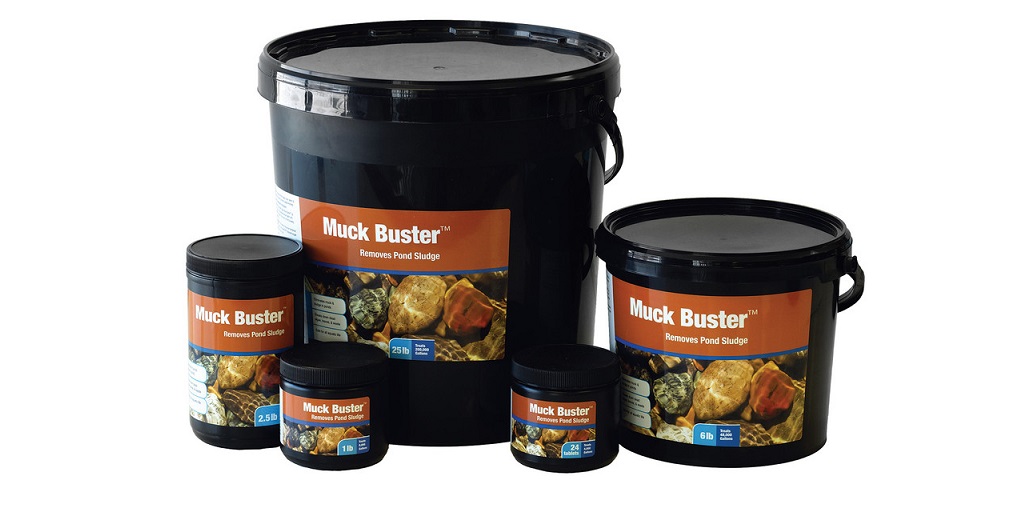
Next, tackle the muck. You can remove it with a pond vacuum or through partial draining combined with manual removal, or you could go down the easy route and use a specialized product like Muck Buster® from Blue Thumb.
Muck Buster® combines activated barley, natural bacteria, enzymes, and a powerful secret ingredient to naturally break down sludge, muck, debris, and odors. It’s best when used in tandem with another product from Blue Thumb, Pond Cleaner™ Liquid. Pond Cleaner™ Liquid contains billions of ammonia, nitrite and nitrate removing bacteria which effectively clears up the water. All you have to do is properly measure out the product according to your pond’s size, pour it in, and wait. Both products are safe for all aquatic life!
Preventing Pond Muck from Coming Back
Prevention is far easier than repeated cleanings. Adding a pond net during fall keeps leaves out, while avoiding overfeeding fish reduces waste. Trimming dead plant material before it decays can also make a noticeable difference.
A healthy pond is all about balance. With regular maintenance, a mindful approach, and the right products, muck becomes a manageable issue rather than a recurring headache.
