
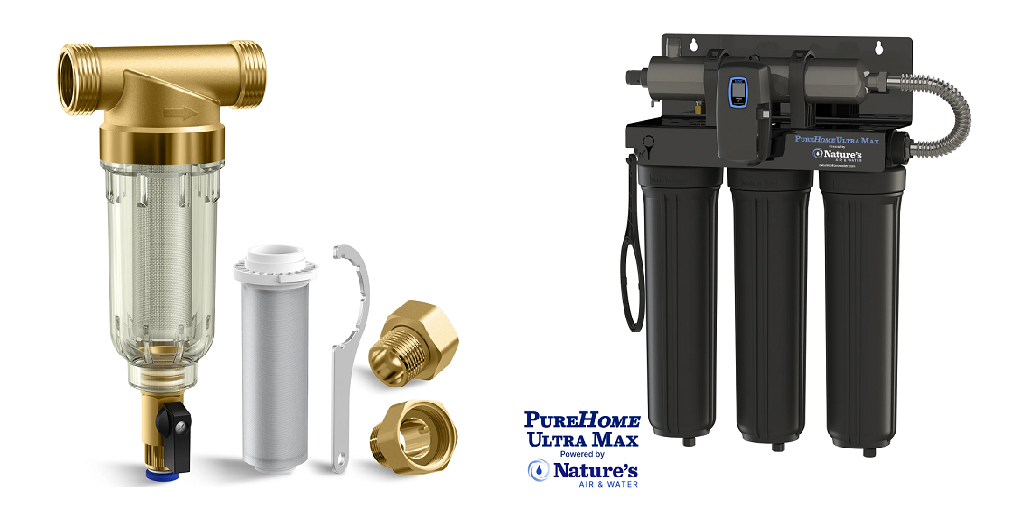
If your home runs on a private well, you know that water quality is entirely in your hands. Even though well water offers a great natural alternative to city supplies, it isn’t always perfect. From strange odors to off-tastes and cloudiness, various contaminants can slip into your supply, making a reliable filtration strategy essential for every homeowner.
While well water is often rich in minerals, it can also pick up unpleasant tastes, odors, and organic compounds as it travels through the ground. This is where you need to use a carbon filter system for well water, as it becomes an essential component of a healthy home water.
How Carbon Filtration Works in a Well System
To understand why carbon is effective, we must look at a process called adsorption. Unlike a sponge that absorbs liquid, activated carbon acts like a high-powered magnet for specific impurities.
Activated carbon is processed to have a massive surface area filled with millions of microscopic pores. As your well water passes through the filter, chemical organic compounds stick to the surface of the carbon granules.
For well owners, this system usually serves as a “polishing” stage: removing the subtle tastes and smells that carbon-based impurities leave behind, ensuring the water is as crisp as it is clear.
What Contaminants Does Carbon Address?
It is important to manage expectations regarding what a carbon filter can and cannot do for well water. Its primary strengths lie in removing:
- Volatile Organic Compounds (VOCs): Often found in groundwater due to runoff from fuels or solvents.
- Pesticides and Herbicides: For wells located near agricultural land.
- Hydrogen Sulfide (Light levels): That distinct “rotten egg” smell common in many wells.
- Taste and Odor: Removing the “earthy” or “metallic” notes that can affect cooking, bathing and drinking.
The benefits of cleaner water extend to every corner of your home, from eliminating stubborn residue on bathroom fixtures to improving the quality of your cooking and providing a much better lather for bathing.
The Importance of Regular Maintenance
A carbon filter is only as good as its remaining surface area. Over time, the microscopic pores become “full” or saturated with the very contaminants they are designed to catch.
In a well water setup, the lifespan of your filter depends heavily on your water usage and the level of sediment in your well. If a filter is not replaced according to the manufacturer’s guidelines, it can lead to a drop in water pressure or, in some cases, allow captured contaminants to “leak” back into your water supply.
Regular maintenance ensures that the barrier between the ground and your glass remains uncompromised.
Enjoying the Purest Version of Your Well Water
Taking control of your well water quality is one of the best investments you can make for your home. Once you address the unique needs of your water supply with the right carbon system, the improvement in taste and clarity is immediate.
Discover how Nature’s Air & Water can help you achieve pure, high-quality water with ease.
