
Everyone loves an outdoor garden with a water feature that gives you the calming sound of water and the sight of greenery. But how sure are you that the water is clean?
Keeping a garden fountain basin clean is all about maintaining healthy water that won’t stagnate, smell, or breed algae and mosquitoes. Outdoor fountains, whether they’re self-contained urns or inground basins, each come with their own maintenance challenges.
The way to ensure your water is clean is knowing how the system works and tailoring your care routine to match your fountain basin design, materials, and surroundings.
Understand the fountain type and its water flow.
Self-contained urn fountains are typically the easiest to keep clean. Their design limits how much debris can collect in the basin. Because they have a smaller surface area and continuous water movement, leaves and dust don’t get much of a chance to settle.
The constant upward flow pushes floating debris over the edge before it can sink and decay. That means the water stays clearer for longer and requires less hands-on maintenance.
Inground fountains, on the other hand, sit open to the environment. Leaves, twigs, and dirt can easily fall in, especially if there are trees or shrubs nearby. They often include aquatic plants, which makes cleaning trickier since you can’t rely on harsh chemicals like chlorine.
These open systems mimic small ponds, and that means they need regular manual care. This includes scooping out debris, checking for algae growth, and occasionally draining the water to start fresh.
Keep algae in check with temperature-based maintenance.
Algae thrive in warm, sunny conditions. During the summer, water in fountains heats up, creating the perfect breeding ground. In self-contained systems, a small amount of granular chlorine, similar to what’s used in spas, can make a big difference.
Adding a small capful every couple of weeks helps prevent blooms and keeps the water clear. However, chlorine should only be used when there are no live plants or fish in the fountain. In cooler months, algae are less of a problem, so the same level of treatment isn’t necessary.
For inground fountains that can’t handle chlorine, the best prevention is manual cleaning combined with good water circulation. Make sure the pump runs consistently, as stagnant water is what allows algae and bacteria to take hold.
If green film starts to appear on the surface or basin walls, drain part of the water and scrub the sides with a brush before refilling.
Manage debris before it causes problems.
Organic debris like leaves and petals might seem harmless, but as they decompose, they release tannins and acids that alter the pH balance of the water. This can lead to cloudiness, foul smells, and slimy buildup.
For inground fountains, it’s important to remove fallen material often: either by using a net or by skimming the surface every few days during high leaf season.
A deeper clean should happen more regularly in the warmer months, about two to three times per month, to prevent buildup. In winter, you can space it out to once every couple of months since less material falls and cooler temperatures slow down bacterial growth. When cleaning, empty the basin, rinse away residue, and check the pump intake for clogs.
Use design and placement to your advantage.
Even before installation, placement matters. A fountain placed under dense tree cover will always need more cleaning. Positioning it in a more open spot reduces leaf litter and helps sunlight reach the water, which can discourage mold and mosquito larvae.
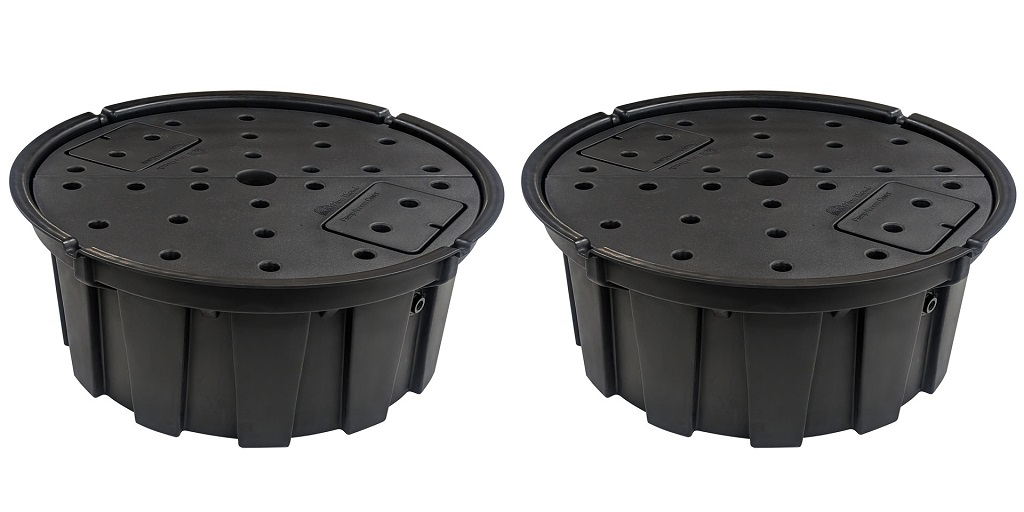
Using mesh screens or grates over in-ground basins also helps block debris while keeping the aesthetic intact.
Finally, consider water additives specifically made for fountains. There are biodegradable treatments that control algae and bacteria without harming plants or wildlife, and these can extend the time between cleanings and make maintenance easier overall.
Keeping garden fountain water clean is an ongoing routine, not a one-time fix. Homeowners can enjoy clear, moving water that enhances their landscaping year-round without the constant hassle of murky or smelly basins.
