
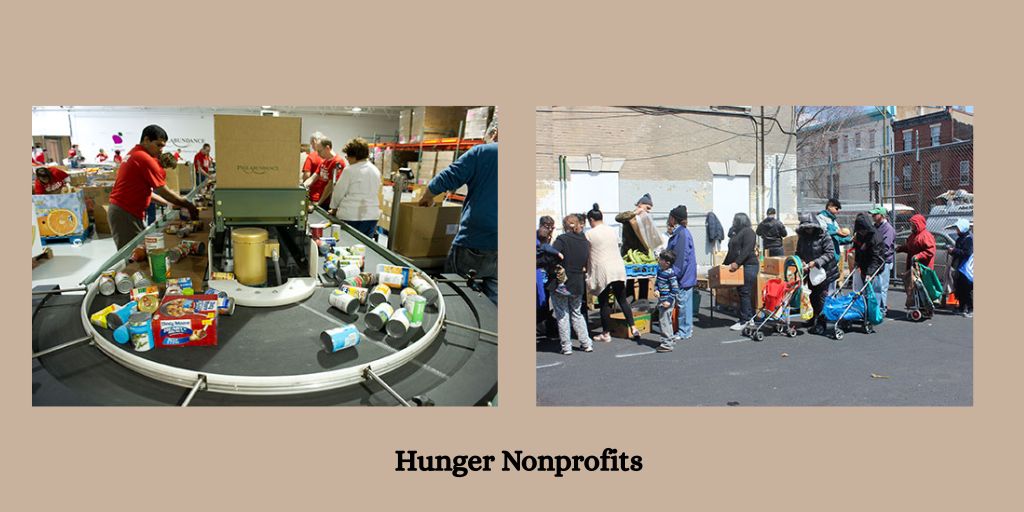
When people hear the term hunger nonprofits, they might think of big warehouses full of food or a line at a local pantry. The truth is, these organizations do a lot more. Some collect extra food from grocery stores and farms and make sure it doesn’t go to waste. Others run food pantries or soup kitchens where families can get groceries or sit down for a hot meal.
Some groups focus on education, like teaching families how to cook healthy meals on a budget, and advocacy groups that push for better food programs in schools and communities. In short, hunger nonprofits are the safety net for anyone struggling to put food on the table.
The Different Kinds of Organizations
Not all hunger nonprofits look the same. Some are big food banks, like Philabundance, that act as hubs and supply food to smaller pantries. Others are those neighborhood pantries and soup kitchens you see in church basements or community centers.
Meal delivery programs like Meals on Wheels focus on seniors and people who can’t leave home. Then there are advocacy groups working behind the scenes to make sure food policies meet real needs.
Together, they make up a network that helps keep people fed when times get tough.
Why They’re So Important
Food insecurity doesn’t just mean skipping a meal here and there. In many cases, it’s tied to bigger issues—low wages, housing costs, health bills, and unemployment. Hunger nonprofits are often the first place people turn when the paycheck doesn’t stretch far enough.
For Philadelphia, the numbers tell the story. In 2022, more than 242,000 people in the city faced food insecurity, and almost one in three kids were affected.
Those are neighbors, classmates, and coworkers—real families dealing with tough choices every day. Hunger nonprofits step in to make sure food is one less worry.
Philabundance’s Impact Close to Home
Philabundance is a good example of how hunger nonprofits make a difference. In just one year, they provided nearly 39 million meals across nine counties in Pennsylvania and New Jersey.
Their Retail Rescue program saved 17 million pounds of food that otherwise might have gone to waste. They also delivered over 15 million pounds of fresh fruits and vegetables, giving families healthier options.
What makes Philabundance unique is that it plays two roles: it’s both a large distributor and a direct provider. That means when someone donates, the impact stretches far—supporting local food pantries while also feeding families directly through Philabundance programs.
What Hunger Nonprofits Actually Do
Hunger nonprofits run on a mix of donations, corporate partnerships, volunteers, and government support. For everyday people, the most meaningful way to help is simple: give what you can, as often as you can. One-time gifts are helpful, but monthly donations give organizations the steady support they need to plan ahead and keep food flowing year-round.
When you set up a monthly donation to Philabundance, you’re not just helping one family—you’re supporting a whole network that fights hunger every day. Even a small monthly gift adds up to something powerful.
For more information about Food Pantry Near Me and Food Bank Near Me Please visit : Philabundance
