
When construction projects intersect with sensitive ecosystems or protected areas, securing environmental permits becomes a major challenge. From wetlands and waterfronts to forested or unstable terrain, building in environmentally sensitive zones often requires compliance with strict regulations. That’s where helical piles come in. More and more engineers, architects, and developers are searching for helical piles near me because these foundations help make it significantly easier to navigate environmental permitting hurdles.
Here’s how helical piles can improve your chances of getting the green light from regulatory bodies—and keep your project moving forward.
Minimal Soil Disturbance Means Fewer Red Flags
One of the top concerns for environmental agencies is soil disruption. Traditional concrete foundations often involve excavation, heavy machinery, and material displacement—all of which can disrupt local ecosystems. In contrast, helical piles are installed by screwing them directly into the ground with minimal disturbance. There’s no need for digging, backfilling, or pouring concrete.
Because of this low-impact installation, projects that use helical piles often raise fewer concerns with regulators, making them more likely to be approved faster and with fewer conditions.
No Need for Curing or Dewatering
Many permitting delays occur because foundations that require concrete need dry conditions or dewatering processes that can impact wetlands and nearby water bodies. Helical piles completely sidestep this issue. They don’t require concrete curing, and they can be installed in waterlogged or frozen conditions with no dewatering required.
This is a significant win during permit applications, especially in areas where water tables are high or where dewatering would trigger additional environmental studies. For these reasons, more builders are Googling helical piles near me as a strategic solution for water-sensitive job sites.
Reduced Equipment Footprint
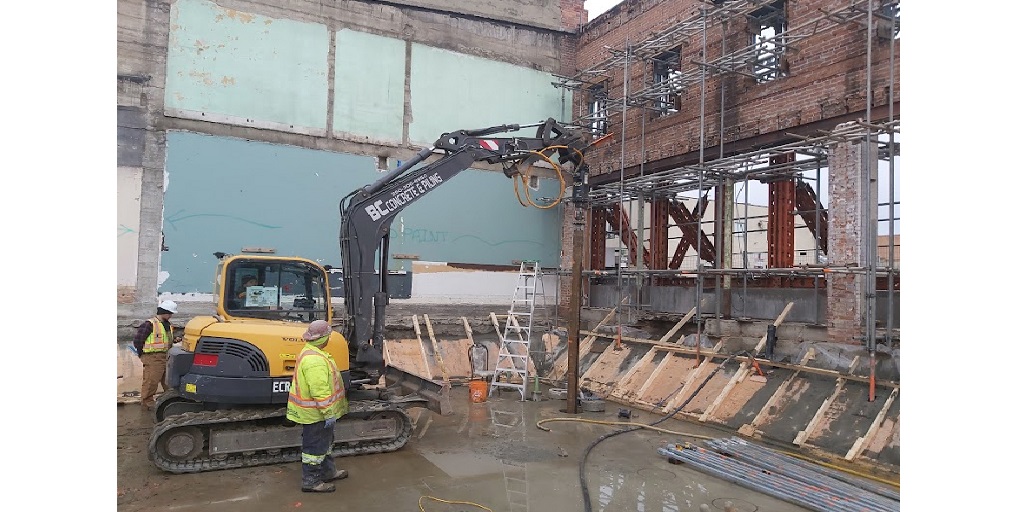
Permitting offices often consider the logistics of getting machinery in and out of a job site, especially if the site is located within protected lands or has restricted access. Helical pile installation requires compact, lightweight equipment compared to the heavy excavators and concrete mixers used in traditional foundations.
Smaller equipment means a lighter footprint, literally and figuratively. It also means less impact on vegetation, reduced risk of compacting root zones, and fewer access road requirements—all things that align well with environmental permitting criteria.
Less Construction Noise and Pollution
In addition to minimizing land disturbance, helical piles generate less noise and pollution during installation. There’s no need for concrete trucks or jackhammers, and installation crews are often in and out within a day or two, depending on the scope of the project. For communities and jurisdictions that value low-impact development, this quieter and cleaner method is an added bonus.
When regulators evaluate applications for permits, they consider not only the long-term impact of the structure but also the short-term disruption caused by construction. With helical piles, both are minimized.
Reversibility Supports Temporary Structures
In some environmentally sensitive areas, structures must be designed to be removable after a certain period. Helical piles make this easy. They can be removed with little impact on the land, and in many cases, they can be reused elsewhere. This reversibility adds a layer of flexibility to your permit application.
It’s one of the reasons temporary structures—like seasonal docks, eco-lodges, or research platforms—often rely on helical pile foundations. If you’re searching for helical piles near me to support a temporary or seasonal build, this removability could work in your favor during the permitting process.
If you’re planning to build in a sensitive area, consider researching helical piles near me to find experienced local providers who understand the unique permitting challenges in your region. This single choice could save you time, money, and a great deal of regulatory headache.
