
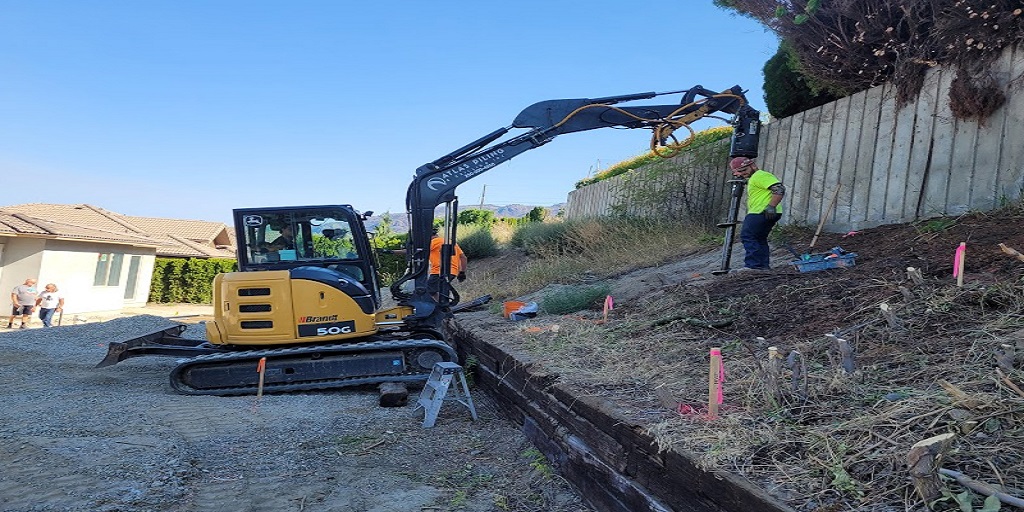
When it comes to property investments, every upgrade matters — but not all upgrades are created equal. Some changes look good on paper but don’t translate to real value. Others, like a well-executed foundation reinforcement, may not be flashy but could have a substantial long-term impact. Among these, the use of helical piles is gaining attention — not just for structural benefits, but for their potential to increase property value. But does the data back that up?
Let’s unpack the numbers and real-world insights.
The Quiet Value of Stability
Unlike aesthetic renovations, structural improvements like installing helical piles are often invisible to the untrained eye. Yet, their impact on a property’s safety, longevity, and resale desirability can be significant.
Buyers, especially in markets with variable soil conditions or areas prone to shifting ground, are increasingly savvy about structural reinforcements. Properties backed by modern, reliable foundational systems like helical piles offer a level of security that can directly influence perceived value.
In some documented cases, real estate agents have reported that properties with upgraded foundations — particularly where helical pile systems were installed to address or prevent settling — sold faster and closer to asking price. While exact percentages vary by region, the trend is clear: structural integrity sells.
Appraisers Are Taking Note
One common misconception is that structural supports are considered only a “repair,” not an “upgrade,” by appraisers. That’s changing.
Home inspectors and appraisers today are trained to flag foundation issues. When a home inspection reveals underpinning using helical piles, it often neutralizes red flags and reduces the need for price negotiation. In contrast, homes with visible cracks or signs of movement — even if minor — often trigger downward price pressure or requests for remediation before closing.
Appraisers may not assign a direct dollar value to helical pile installation, but it plays a key role in preserving — and in many cases increasing — the property’s marketability. And in a competitive market, that edge counts.
Long-Term ROI: Insurance, Renovations, and Peace of Mind
While it’s tempting to evaluate upgrades solely on resale value, helical piles offer a broader return on investment. In some situations, they can improve insurability. Properties with a history of settlement may be penalized with higher premiums or denied coverage altogether. Demonstrating that the issue has been professionally addressed — with engineered helical pile solutions — can make a big difference.
Additionally, helical piles are often the enabling factor for renovations. Building upward with an addition? Converting a crawlspace into a livable basement? Reinforcing the foundation with helical piles can be a prerequisite for code approval. And anytime you increase usable square footage, you increase value.
The Data Behind the Decision
In one study of homes that underwent foundation remediation with helical piles, 73% of sellers reported receiving full asking price or more. While correlation isn’t causation, it aligns with what many engineers and agents already know: buyers are more comfortable purchasing a home with a properly reinforced foundation than one with a history of problems.
Moreover, sellers who invest in helical pile installation often avoid weeks (or even months) of listing delays, negotiations, and re-inspection costs. That time saved translates to real money.
Invisible, But Impactful
So, do helical piles increase property value? While you won’t see the number printed on a listing sheet, the data — and the market behavior — suggest a firm yes. They don’t just stabilize the soil under your home; they stabilize the value of your investment.
And in real estate, few things matter more than that.

