
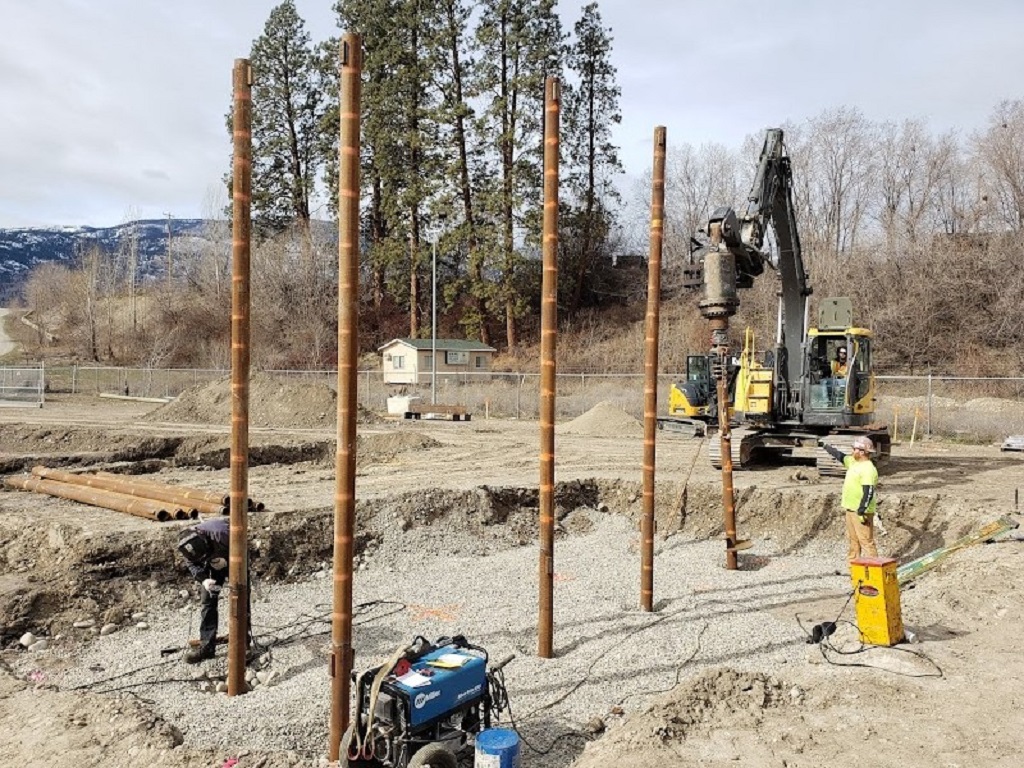
Helical piles have gained popularity in recent years as a reliable foundation solution for a variety of projects, ranging from residential homes to large-scale commercial structures. Their versatility, ease of installation, and load-bearing capabilities make them a preferred choice for contractors and engineers alike. However, one of the most commonly asked questions is: How long do helical piles last?
Factors Influencing the Lifespan of Helical Piles
The longevity of helical piles depends on several factors, including the material composition, environmental conditions, and proper installation techniques. Under ideal circumstances, helical piles can last for several decades, often exceeding 75 years. Below are some key factors that play a role in determining their lifespan:
1. Material Composition
The quality of materials used in the manufacturing of helical piles is crucial to their durability. Most helical piles are made from galvanized steel, which offers superior resistance to corrosion and environmental degradation. Galvanization is the process of applying a zinc coating to steel to shield it from rust and corrosion over time. When durable steel is paired with effective protective coatings, the lifespan of helical piles can be greatly enhanced.
2. Soil Conditions
The type of soil in which helical piles are installed has a significant impact on their longevity. In environments with high moisture content or aggressive soil chemistry, such as clay-rich or highly acidic soils, corrosion can occur more rapidly if the piles are not properly protected. On the other hand, in stable and well-drained soil conditions, helical piles can remain in excellent condition for decades.
3. Environmental Factors
External factors such as exposure to extreme weather conditions, temperature fluctuations, and groundwater levels can influence the lifespan of helical piles. Coastal areas, for example, may expose the piles to saltwater, which can accelerate corrosion. To counteract these effects, additional protective measures, such as specialized coatings or cathodic protection systems, can be applied.
4. Load-Bearing Requirements
The amount of weight and pressure that helical piles must support over time is another critical factor. If the piles are properly designed to meet the specific load requirements of the structure, they are less likely to experience stress-related issues that could compromise their integrity. Engineering assessments and load testing during installation help ensure the correct pile specifications are selected for each project.
5. Installation Techniques
Proper installation is vital for ensuring the longevity of helical piles. Professional installers use specialized equipment to drive the piles into the ground at the correct torque and depth. Incorrect installation, such as inadequate torque or misalignment, can lead to premature failure or reduced effectiveness. Choosing experienced professionals to handle the installation ensures that the piles perform optimally for their intended lifespan.
Maintenance and Inspection
While helical piles require minimal maintenance compared to other foundation systems, periodic inspections can help identify potential issues before they become major concerns. Visual inspections, load testing, and corrosion assessments can provide valuable insights into the condition of the piles, allowing for timely repairs or reinforcements if needed.
The lifespan of helical piles depends on various factors, including material quality, environmental conditions, and proper installation practices. When designed and installed correctly, helical piles can provide long-lasting, stable support for structures for several decades. Whether for new construction or foundation repairs, helical piles offer a durable and efficient solution that stands the test of time.
