
Creating a home office that’s functional, uncluttered, and inspiring is an excellent way to boost productivity. Minimalist home office design can help you achieve this by focusing on simplicity, functionality, and comfort. It’s not just about reducing clutter to minimize distractions; a minimalist home office is also a clean, modern, and calming environment that can help reduce stress.
Here’s everything you need to know about designing a minimalist home office that’s both stylish and practical:
Step 1: Start with a Decluttered Space
Decluttering is the first step to achieving a minimalist home office. This means getting rid of anything that you don’t need or use. Take a page out of Marie Kondo’s book: evaluate each item in your office and ask yourself if it’s necessary. If you haven’t used it in the last month, then it’s likely safe to remove it.
Organize and Simplify Your Desk
The desk is the central piece of any office, and in a minimalist design, it should be as clear and organized as possible. Only keep the essentials on it, such as your computer, notepad, and maybe a pen or two.
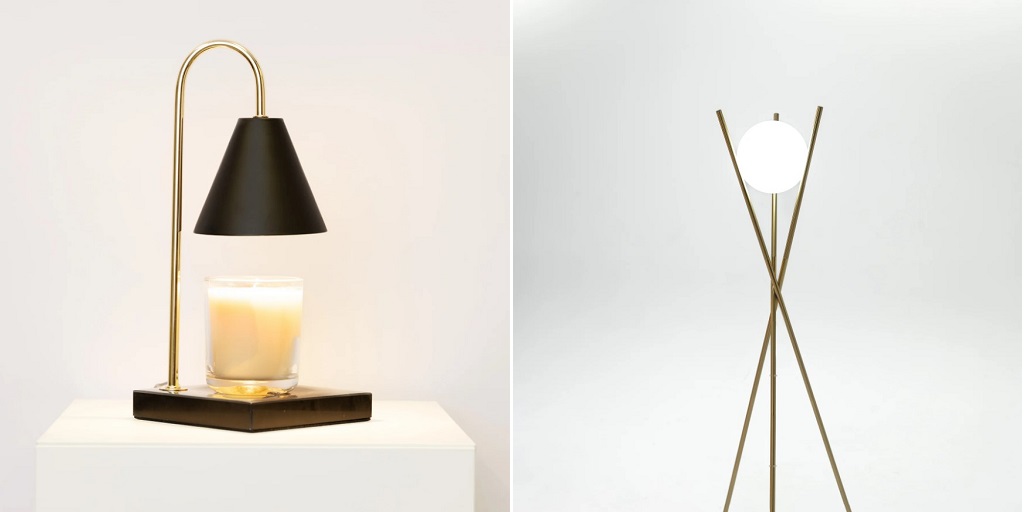
If you need additional illumination when you work, then modern table lamps – like the ones sold on Ozarke – are a practical and elegant solution.
Their modern table lamps all possess sleek and minimalist profiles that are perfect for minimalist style spaces.
Digitalize Your Documents
Paper can quickly pile up, making your workspace look messy. Going paperless is one way to manage this. Scan important documents and store them digitally to reduce physical paperwork – doing so will keep your office neat and will make it easier to locate files quickly.
Step 2: Choose Simple and Functional Furniture
When it comes to minimalist furniture, less is more. Choose pieces that are simple, functional, and serve a purpose in your workspace.
Opt for a Clean, Modern Desk
A desk with clean lines and minimal design works best in a minimalist home office. Avoid desks with too many drawers or overly intricate designs. Instead, go for something that’s both functional and stylish, like a sleek wooden or metal desk. Make sure it’s the right size for your space to avoid overcrowding.
Select a Comfortable, Supportive Chair
Investing in a comfortable chair that supports you as you work is essential in any home office, where you expect to be sitting for long periods of time. A minimalist chair doesn’t have to be bare-bones or uncomfortable. Look for a design that’s both ergonomic and streamlined. A quality chair will support you during long working hours without disrupting your minimalist aesthetic.
Step 3: Choose a Neutral Color Palette
Color plays a big role in minimalism. Neutral tones work best as they create a calm yet inviting atmosphere. Stick to shades like white, gray, beige, and soft pastels – these hues provide a clean look that won’t overwhelm the space.
Add Pops of Color Sparingly
If you’re worried about your home office looking too drab in neutral tones, don’t worry! You can keep your minimalist aesthetic but still add personality to the space by employing small pops of color through accessories, like a plant pot, a framed photo, or a cushion. The idea is to keep color to a minimum in order to maintain the minimalist feel.
Designing a minimalist home office doesn’t have to be complicated. By following the steps above, you can create a workspace that’s clean, functional, and visually appealing.
