
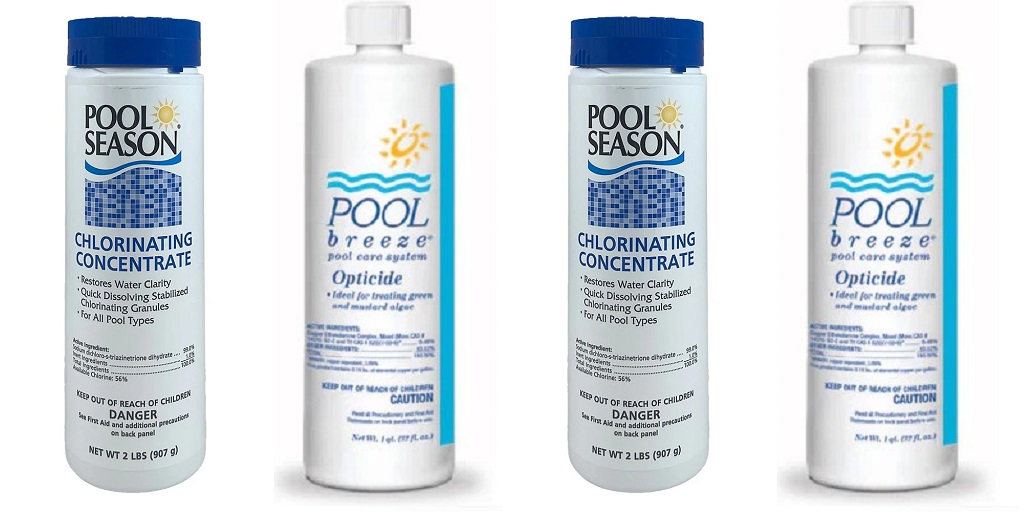
Pretty much everyone knows that pool water is chlorinated. This pool chemical kills germs, including bacteria and viruses, and when the water is properly circulated, appropriate chlorination levels can help prevent biofilm from forming.
But what about spas? Sure, they can also be maintained with chlorine, but did you know that many spa chemicals actually use a different chemical, bromine, for sanitation?
Here’s what you need to know about some of the differences.
Why Bromine Can Be a Practical Alternative Spa Chemical to Chlorine
First off, chlorine and bromine are related chemicals; they are both halogen-group elements on the periodic table and are both considered strong oxidizers that are effective at disinfecting water by purging it of microbes.
Chlorine is the more affordable of the two, which is one of the reasons for its popularity. With that said, as chlorine decays, it converts into compounds called chloramines which are responsible for the strong “chlorine smell” of pools.
This is undesirable to some consumers, leading them to opt for bromine spa chemicals as an alternative, because bromine doesn’t produce the same strong odors even as it decays. But the benefits of bromine do not end there.
The thing is, as chlorine works its magic by killing germs and decays into chloramines, it loses its efficacy, and you constantly need to add more into the pool.
Bromine also decays as it works, into compounds called bromamines, but bromamines remain effective in the water for far longer than chloramines, making bromine the longer-lasting of the two.
While bromine is not necessarily as potent as chlorine, its slower rate of decay means it will remain active for longer. Bromine also doesn’t change the pH as rapidly as chlorine, which means you won’t need to balance the pH as frequently.
Chlorine can also be notoriously harsh on the skin. Most users report that bromine is much gentler, making it the preferred spa chemical for those with sensitivities. Bromine is also often the preferred choice for those with respiratory sensitivities.
There’s another big point here. Bromine spa chemicals are much more effective at higher temperatures (such as those that you’d find in your spa) which often makes it the preferred choice for spas and hot tubs. If you use bromine in a spa, you’ll have to replenish the levels less frequently than if you were using chlorine.
All in all, and despite its high cost, these factors make bromine the preferred chemical of choice for spa owners.
There is just one very important pointer. Bromine and chlorine must never be mixed. Doing so will create a very dangerous chemical reaction. In fact, not only can they not be mixed (and you can’t use the same feeder for both) but they shouldn’t even be stored near each other.
Just some pointers if you’re considering using bromine spa chemicals as an alternative to chlorine.
Where Can You Learn More About (or Replenish) Spa Chemicals?
Interested in learning more about the differences between chlorine and bromine spa chemicals? Just need some new shock, tablets or granules for your pool or hot tub? Get them online at Best Buy Pool Supply.
They carry pretty much everything you need for your spa, pool, and even sauna, including accessories. Check out their website for more information, to explore a wide range of products, or get in touch with them directly if you have questions.
