
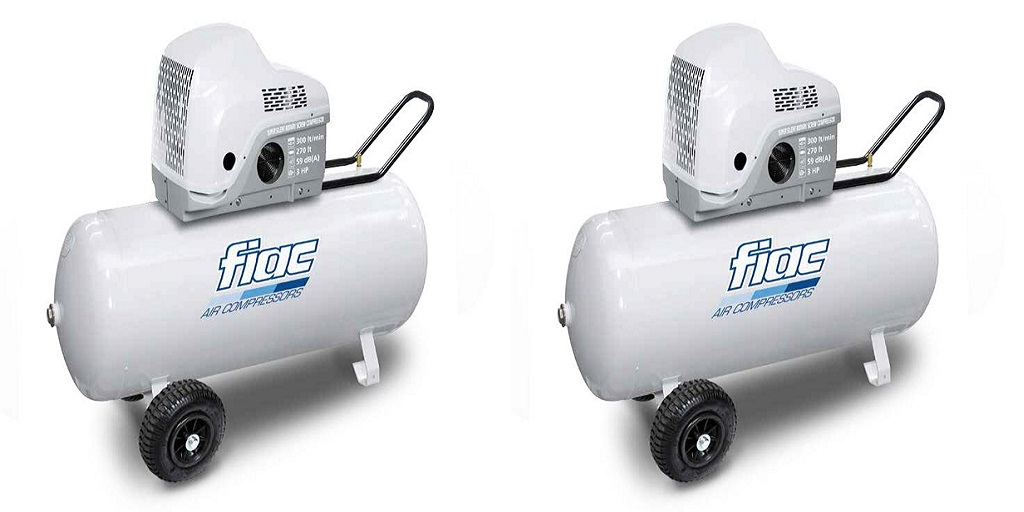
University labs are all about focus and precision. Whether it’s delicate equipment or critical listening tests, a noisy environment can throw a wrench in your experiments. Worse yet, it can even harm your hearing in the long run.
This guide dives into why silent air compressors are a game-changer for university labs. We’ll explore how these special compressors keep things quiet, protecting your research and your hearing at the same time.
Understanding the Importance of Silence in Labs
Even minor sound disturbances can throw a lab experiment way off course. When we’re surrounded by environmental sounds, they can exert a subtle but significant influence over multiple systems in our bodies, taking us well beyond the realm of simple auditory effects.
Labs studying animal behavior, for instance, must control noise to prevent skewing data. Additionally, noise exposure over prolonged periods can cause irreversible hearing loss, with daily sound levels of 80 dB(A) or more being particularly harmful.
Silent air compressors offer a solution by operating below these dangerous noise levels, ensuring a quieter and safer working environment. Most traditional air compressors generate noise levels between 75 and 85 dB(A), potentially endangering hearing health. In contrast, a silent air compressor typically operates at around 60 dB(A), similar to normal conversation levels, making it a safer choice for labs.
What Makes a Compressor Silent?
Several factors contribute to the quiet operation of silent air compressors:
- Sound Insulation: High-quality insulation materials absorb sound, reducing the noise emitted.
- Design and Engineering: Advanced engineering techniques minimize vibration and noise.
- Low RPM Motors: These compressors use motors that run at lower speeds, producing less noise.
- Oil-Free Operation: Oil-free compressors avoid the loud, constant operation of oil-lubricated systems.
These features collectively reduce the decibel level, ensuring a peaceful lab environment.
Working Principles of a Quiet Compressor
Silent air compressors work similarly to standard compressors but with added noise-reduction technologies:
- These devices dampen the sound of air entering the compressor.
- Special mounts and pads absorb vibrations that would otherwise cause noise.
- Quieter fans help maintain cooling efficiency without adding to the noise level.
This sophisticated design ensures that silent air compressors maintain efficiency while operating quietly.
Benefits of Using Silent Air Compressors in Labs
- Protects Hearing Health: With operating levels around 60 dB(A), silent air compressors significantly reduce the risk of noise-induced hearing loss.
- Improves Work Environment: A quieter lab environment enhances concentration and productivity.
- Preserves Experimental Integrity: Reduced noise interference ensures more accurate experimental results, particularly in auditory research and studies involving animals.
Choosing the Right Silent Air Compressor
When selecting a silent air compressor for your lab, consider the following:
- Noise Level: Look for compressors with noise levels around or below 60 dB(A).
- Capacity and Power: Ensure the compressor meets your lab’s air supply needs without overburdening its capacity.
- Durability and Maintenance: Opt for models with low maintenance requirements and robust construction.
If you’re looking to upgrade your lab equipment, check out Air & Vacuum Process online for their extensive collection of silent air compressors. Your lab’s future—and your hearing—will thank you.
