
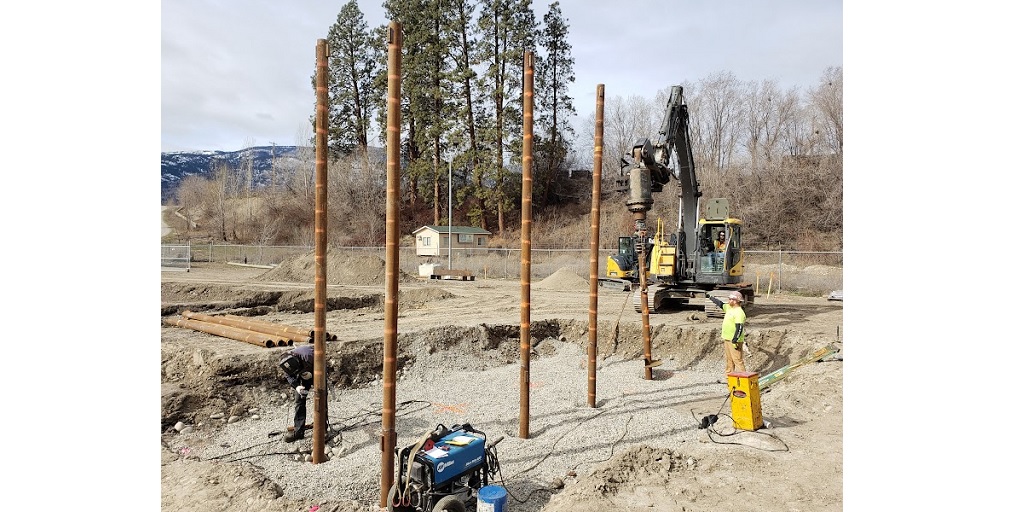
When considering foundation solutions for a construction project, helical piles often come up as a viable choice due to their versatility and effectiveness. However, while helical pile foundations are known for their benefits in many scenarios, there are specific situations where they may not be the ideal solution. Understanding these limitations is crucial to ensure that the right foundation is chosen for the project.
1. Extremely High Loads
Helical piles are designed to support a range of loads, but there are scenarios where the load requirements exceed their capacity. For structures with exceptionally high load demands, such as large industrial buildings or heavy machinery installations, a helical pile foundation might not provide the necessary support. In such cases, alternative foundation types, such as reinforced concrete piles or caissons, may be more suitable to handle the intense load pressures.
2. Shallow Bedrock
Helical piles are particularly effective in soft or loose soil conditions because they can be installed deep into the ground to reach stable strata. However, when the bedrock is located very close to the surface, the installation of helical piles can become problematic. The pile’s helices may encounter the bedrock too early, leading to challenges in achieving the required depth and load capacity. For these situations, other foundation methods that are designed for shallow bedrock conditions should be considered.
3. High Water Table Conditions
In areas where the groundwater level is exceptionally high, the installation of helical piles may be hindered by excessive water. The presence of a high water table can lead to difficulties in achieving the proper installation depth and can also affect the pile’s load-bearing capacity. Additionally, the waterlogged conditions can lead to challenges in maintaining the integrity of the pile during and after installation. When dealing with high water table conditions, foundation solutions that can better manage water influence, such as drilled shafts with casing, might be more appropriate.
4. Soil Contamination
Soil conditions can greatly impact the effectiveness of helical piles. Contaminated soils, which may contain harmful chemicals or pollutants, can lead to deterioration of the helical piles over time. This deterioration can compromise the pile’s structural integrity and overall performance. In cases of soil contamination, it is essential to conduct thorough soil testing and consider alternative foundation options that can better withstand or mitigate the effects of soil pollutants.
5. Vibration-Sensitive Projects
Projects located in sensitive environments, such as near existing structures or in areas where vibrations could cause damage, may not be suitable for helical pile foundations. The installation process of helical piles involves rotating the pile into the ground, which can create vibrations. If the project site is highly sensitive to vibrations, it may be necessary to choose a foundation method with minimal impact on surrounding structures.
While helical pile foundations offer numerous advantages, such as ease of installation and adaptability to various soil conditions, there are specific scenarios where they may not be the most suitable choice. It is important to carefully assess the project requirements, soil conditions, and load demands before deciding on the foundation type. By understanding when a helical pile foundation might not be the best fit, you can make a more informed decision and select a foundation solution that will ensure the stability and success of your construction project.
