
Mold is one of those pesky problems that can creep into your bedding without you even realizing it. Before you know it, your once cozy sheets or comforters could start smelling musty, and worse, they could affect your health.
Fortunately, with the right laundry habits and a little attention to detail, you can easily prevent mold from taking hold in your bedding. Read on below for some of the best tips for keeping your bedding clean, fresh, and most importantly – mold-free:
Why Mold Loves Bedding
It’s a known fact that mold thrives in damp and dark environments. Unfortunately, bedding can provide the perfect conditions for it to grow.
Think about it: we sweat in our sleep, sometimes spill liquids in our beds, or accidentally toss damp clothes onto it. If that moisture isn’t dealt with quickly, mold spores, which are already floating around in the air, can land and begin growing on your bedding.
Humidity is another big factor. If you live in a humid area or don’t use a dehumidifier, moisture can build up in the fabric fibers, providing mold with the perfect breeding ground.
How to Properly Launder Bedding to Avoid Mold
1. Wash Your Bedding in Hot Water
Mold can’t survive in high temperatures, which is why the best and easiest way to keep it at bay is to wash your bedding in hot water, if possible. A washing machine setting of at least 130°F (54°C) is recommended – this will kill any spores that might be hiding in your sheets or duvet covers.
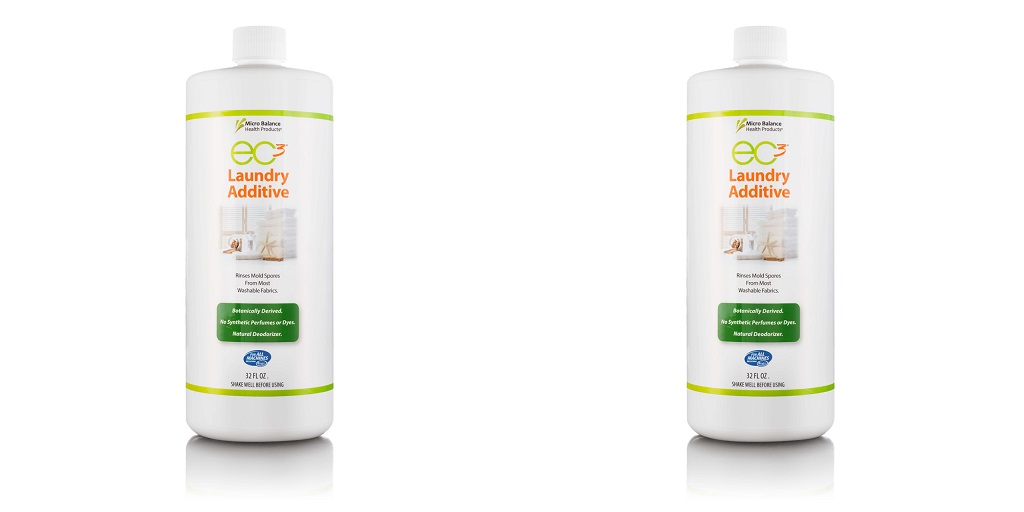
If your bedding isn’t designed to handle that kind of heat, then you might want to use a laundry additive specifically designed to combat mold, such as Micro Balance Health Products’ EC3 Laundry Additive. It contains “food-grade” citrus seed extracts, tea tree oil, and natural surfactants to clean away mold spores, odor-causing bacteria, and yeast from your laundry. For best results, add EC3 Laundry Additive to every rinse cycle or directly to the wash basin.
2. Use a Mold-Fighting Detergent
You might be under the impression that all laundry detergents are created equal, but they definitely aren’t. In the fight against mold, you’ll want to opt for detergents that are specially formulated to fight mold or mildew. They often contain ingredients that actively work to kill mold spores and prevent them from returning.
For an extra mold-fighting boost, you can also add white vinegar or baking soda to your wash cycle. Both of these natural solutions are great at neutralizing odors, killing bacteria, and stopping mold in its tracks.
3. Thoroughly Dry Your Bedding
One of the biggest mistakes people make when laundering their bedding is not drying it completely. Any lingering moisture can invite mold growth, so it’s important to ensure that your sheets, pillowcases, and comforters are fully dried.
Tumble drying on a high heat setting is ideal, but if your bedding is delicate, air drying in a sunny spot works too. The sun’s UV rays can naturally kill mold spores. Just make sure the bedding doesn’t stay damp for too long during the air-drying process, as this could backfire and lead to mold growth.
4. Wash Your Bedding Regularly
Consistency is key when it comes to keeping mold out of your bedding. It’s recommended to wash your sheets at least once a week, especially if you live in a humid climate or sweat a lot during the night.
Your heavier bedding items, like duvets and comforters, should be washed every few months, but if you spill something on them or notice a damp spot, don’t wait—get them in the wash immediately! The sooner you address the moisture, the less chance mold has to grow.
Keeping your bedding mold-free is all about maintaining a regular cleaning routine and paying attention to how you wash and dry your sheets. Follow the tips above, and you should be able to enjoy fresh, clean bedding without any unwanted mold surprises.
