
Washing your gym clothes and other pieces of workout wear can feel like a routine task, but it’s easy to overlook the small details that keep your activewear fresh, clean, and lasting longer. Given how much sweat and grime these clothes endure, skipping a few critical steps can mean a shorter life for your gear.
In fact, if you’re noticing moldy smells or stubborn stains, you might be making some common laundry mistakes. Read on below for some of the most common errors that people make when washing their workout wear, as well as how to avoid them:
1. Leaving Wet Clothes in the Laundry Basket
After a tough workout, it’s tempting to toss your sweaty clothes in the laundry basket and forget about them until laundry day. Unfortunately, this is a prime mistake that can lead to mold growth. Workout wear, especially items made from synthetic materials, can trap moisture, and mold thrives in dark, damp environments.
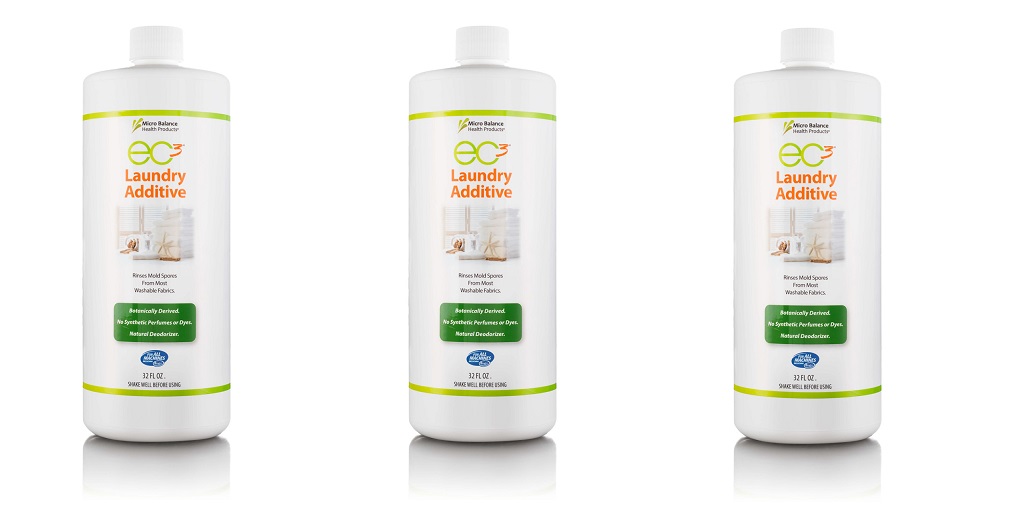
Instead of letting your clothes sit in the basket, hang them up to air dry as soon as you take them off, if possible. If you’re still worried about mold growing on your activewear, you can use a specialized product like Micro Balance Health Products’ EC3 Laundry Additive to remove mold and bacteria. EC3 Laundry Additive contains “food-grade” citrus seed extracts, tea tree oil, and natural surfactants to clean away mold spores and foul odor-causing bacteria and yeast!
2. Washing with Regular Laundry Detergent
One of the biggest mistakes that anyone can make is throwing their workout clothes in with their regular laundry using the same detergent. While normal laundry detergents are great for everyday clothing, they aren’t as effective at removing the sweat, bacteria, and odor that get trapped in moisture-wicking fabrics.
Using a specialized detergent specifically designed for athletic wear is the way to go here. These formulas are made to target sweat and odor-causing bacteria, and they’re gentle on the stretchy fabrics. It will keep your workout gear fresh and ensure that it doesn’t lose its elasticity over time.
3. Using Fabric Softener
While it’s true that using fabric softener is a great way to keep your clothes feeling soft, when it comes to activewear and workout gear, it does more harm than good. It can coat the fibers of moisture-wicking fabrics, clogging their pores and reducing their ability to breathe and wick away sweat.
When washing your workout clothes, it’s best to skip the fabric softener altogether. If you’re worried about softness, vinegar can be a great natural alternative to soften fabrics without damaging them. Vinegar also helps break down sweat and bacteria, leaving your gear fresher for longer.
4. Washing at the Wrong Temperature
Many people either wash their activewear in hot water to “kill the germs” or use cold water to preserve the fabric. However, you may find both approaches to be problematic. Workout clothes may seem tough, but the fabrics used in them are often sensitive to extreme temperatures.
Instead of using hot water (which can break down synthetic fibers and cause your clothes to lose their stretchiness and elasticity) or cold water (which might not effectively remove bacteria and sweat stains), use warm water to wash your activewear. It’s gentle enough to protect the fabric while still being effective at cleaning away sweat and bacteria. It’s also a good idea to check the care labels on your activewear to see the recommended washing temperature, as some clothes may vary.
Your workout gear works hard to support you during your fitness routines, so it deserves a little extra care when it’s time for laundry. Avoid these common mistakes, and you’ll be able to extend the life of your activewear while keeping it fresh and mold-free.
