
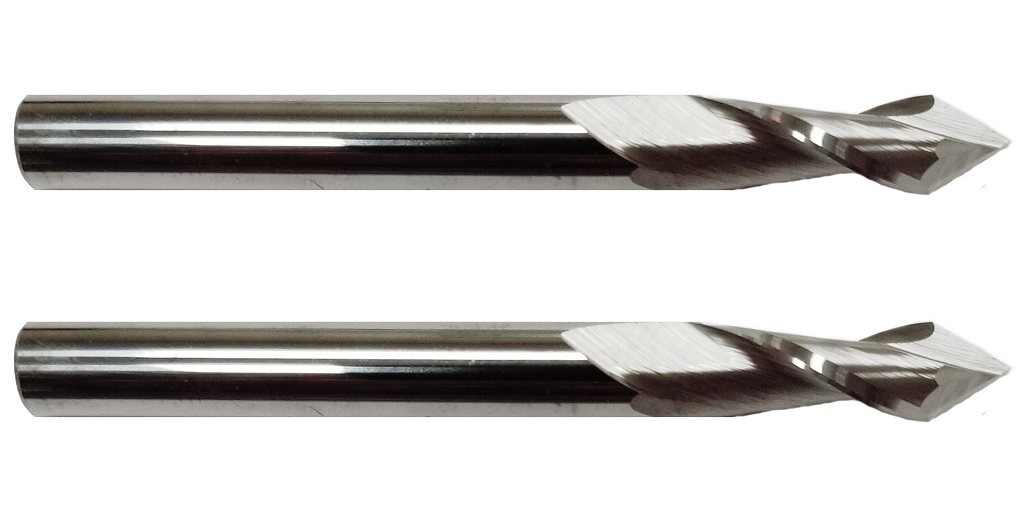
Machinists and those in the manufacturing industry know that drill mills are indispensable. They are used in all kinds of machining processes, both for drilling and milling, and used in many industries: transportation, medical, electrical and electric.
But what is the mechanics behind a drill mill and what gives it the versatility it is highly valued for?
Behind the Mechanics
A drill mill combines two functions of two tools: drill bits and end mills. They often have a pointed tip for drilling, along with fluted sides for milling. This makes it very valuable and versatile for machinists, as they can be used to make the machining process more efficient and productive.
So a drill mill, like a drill bit, can be used to cut or crush a workpiece. The drill can cut into the layers of the material and cut the desired shape into the material. The end mill is used to make shapes in a workpiece, whether it is to give it a rounded or more articulate shape or design. Often end milling includes contouring, slotting and reaming applications.
A drill mill can do both, especially with the combination of the flutes and the drill tip.
Materials
As drill mills are used in the machining process on different kinds of metals and materials, it needs to be made of strong materials that are resistant to heat and friction. The most common materials are high speed steel (HSS) and carbide. Carbide has many versions, and is often more durable and ideal for machining harder materials when used to make drill mills.
The one disadvantage that carbide and its many versions have over HSS is that it can be more brittle than HSS. So it all depends on the material of the workpiece, and the coating you have on your drill mills.
Design and Features
The design of a drill mill makes it suitable for directly plugging it into a workpiece, but it should be at a 90 degree angle. This angle makes it easier for the drill to be used. The number of flutes depends on the material of the workpiece.
Often the softer the material the fewer flutes you need. So if you are dealing with aluminum or an even softer material, two to three flutes is good enough. Stronger metals might require more flutes, so it’s better to know first the workpiece you intend to machine.
A Variety of Applications
Since drill mills are made versatile because of their design and materials, they are used in a variety of machining applications.
Chamfering
The angle makes drill mills excellent fr chamfering. This is why you need to bevel the edges of a hole in a material, This gives a finished appearance to the hole and eliminates sharp edges created when drilling.
Engraving
Drill mills can also be used to engrave on materials. This is an excellent tool when engraving intricate designs or when precision is needed for the engraving.
Spotting
A drill mill can also be used to create a divot which can serve as guidance for drilling in the workpiece.
Know Your Drill Mill Well
The many tools of a machinist means that there are many ways that the tools can be used to process materials and workpieces. However, there are tools that can have multiple functions that can make the machinist’s job easier and more efficient.
Knowing the mechanics of each tool can help you become more efficient and knowledgeable in your craft, and when it comes to versatility, the drill mill is the tool you need to make your machining process more productive and accurate.
