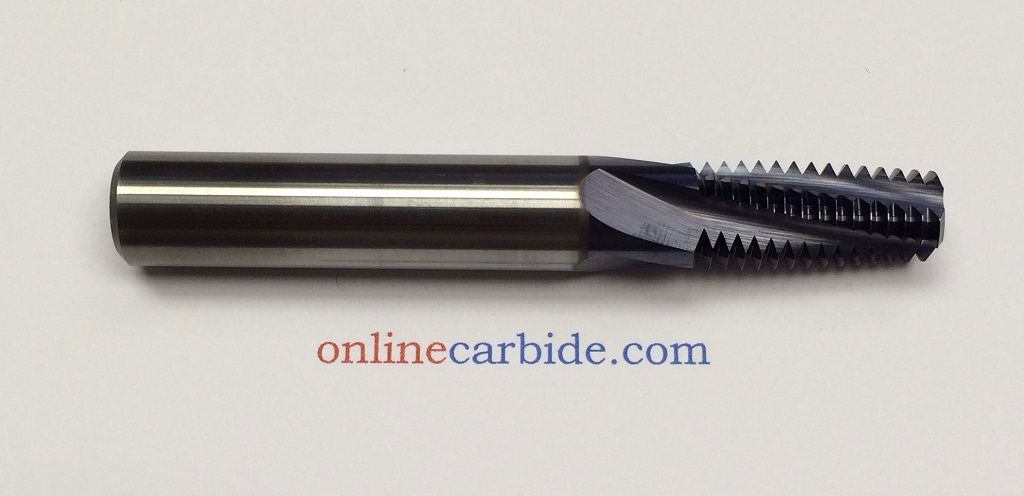
Metal drilling is a fundamental process in manufacturing and construction, and the materials used for metal drills have evolved significantly over the years. Many industries buy carbide drills now, but what did they use before the discovery of carbide?
The use of carbide and other materials were driven by the need for precision and safety in manufacturing, but it took a lot of research and experimentation to find out which materials were best for improved performance, durability, and efficiency in various industries.
Let us trace the evolution of the materials used for metal drills, highlighting key milestones in their development.
Early Days: Carbon Steel Drills
In the early days of metal drilling, carbon steel was the material of choice for drill bits. Carbon steel drills were relatively affordable and could handle a wide range of drilling tasks. However, they had limitations in terms of durability and heat resistance.
Over time, it became evident that improvements were needed to meet the growing demands of industrial applications.
High-Speed Steel (HSS) Revolution
The breakthrough in drill bit materials came with the introduction of High-Speed Steel (HSS) in the early 20th century. HSS drills were a game-changer due to their superior hardness, heat resistance, and durability.
These attributes allowed for higher drilling speeds and extended tool life. HSS drills quickly gained popularity and became the industry standard for several decades.
The Emergence of Cobalt Drills
As industries continued to advance, the demand for even more robust drill bits led to the development of cobalt drills. Cobalt drill bits are made by adding cobalt to the HSS alloy, enhancing their heat resistance and hardness.
This made them ideal for drilling through tough materials like stainless steel and hardened steel. Cobalt drills became indispensable in aerospace, automotive, and metalworking industries.
Carbide Drills: The Modern Standard
The most significant leap in drill bit technology came with the introduction of carbide drills. These drills are constructed from tungsten carbide, a super-hard material that can handle the most demanding drilling tasks.
Carbide as a material in drills exhibit exceptional wear resistance, heat resistance, and cutting efficiency. They are capable of drilling through materials like titanium and inconel with ease, making them essential in aerospace and other high-tech industries.
Diamond-Coated Drills: Cutting-Edge Innovation
In recent years, diamond-coated drills have emerged as the cutting-edge innovation in metal drilling. These drills feature a thin layer of synthetic diamond crystals on their cutting edges.
Diamond is the hardest known material, and diamond-coated drills offer unmatched hardness and wear resistance. Many industries now buy carbide drills with diamond points or coats, and are used in specialized applications, such as drilling composite materials and exotic alloys in the aerospace and medical industries.
Advancing with Technology
The evolution of materials used in metal drills reflects the continuous advancement of technology and the ever-increasing demands of various industries. Each step improved performance and capabilities in machining and manufacturing.
Today, the choice of drill bit material depends on the specific requirements of the task at hand, with a wide range of options available to meet the diverse needs of modern manufacturing and construction. As technology continues to advance, it is likely that we will see further innovations in drill bit materials, ensuring that metal drilling remains a precise and efficient process across various industries.