
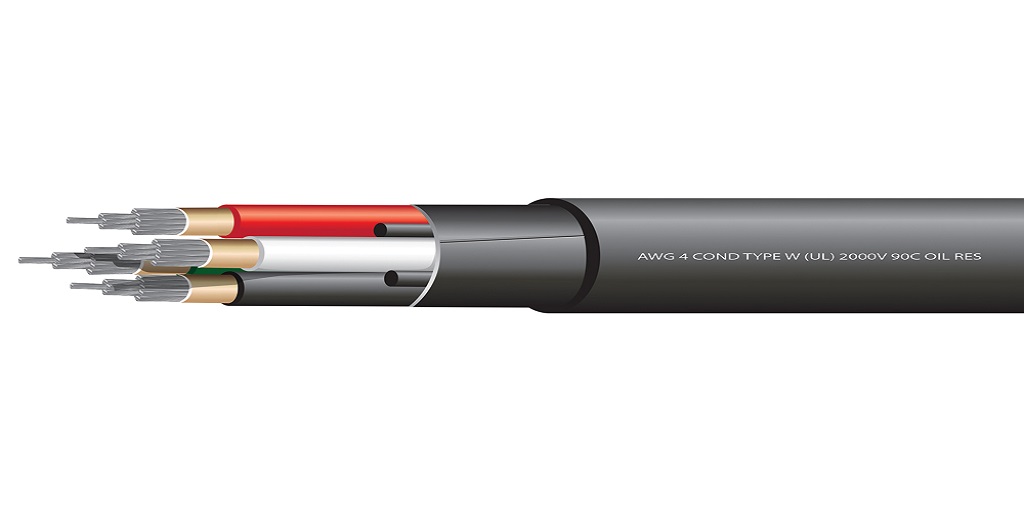
For the purposes of running electrical cables over long distances, there are two basic methods: conduit and cable trays.
Conduit is a sort of synthetic sheath (more like a tube) that completely encloses cables and is the traditional method for running cables. Trays are open or partially open raceways that bear but do not entirely enclose the electrical cables, but support them at minimum every six feet.
There are advantages to the use of cable trays and tray cable. Here are a few of the more common questions answered.
What Is Tray Cable?
Simply put, tray cable is any electrical cable that is approved for use in cable trays. The configuration followed by cable trays leaves the cables exposed, so cables approved for these purposes are typically very durable and versatile, and many types are approved for use indoors and outdoors, in both wet and dry locations (although this will vary).
Are There Any Advantages to Using Trays Instead of Conduit?
There are numerous advantages associated with the use of cable trays, especially as opposed to conduit.
For one, it is both very expensive and very time-consuming to draw cables through conduit. It is also very expensive and labor-intensive to access or maintain wires that have already been drawn through conduit.
Cable trays also allow for better heat dissipation, which helps keep the wires running on them much cooler. Cable trays are also easier to inspect and offer a more flexible configuration to which new wires can be added or removed easily.
What Can Tray Cable Be Used for?
Cable trays and tray cables can be used for a wide variety of applications, including but not limited to communications systems, industrial control systems, high-power extensions, and other high-power applications, and much more.
What Are the Different Types of Tray Cable?
There are many different types of tray cables that have different applications. Some of the more common of these are:
● Power and control cables
● Communications cables
● Optical fiber cables
● Power limited cables
● Instrumentation cable
● Wind turbine cable
● Vinyl nylon tray cable (VNTC)
● Thermoplastic high-heat nylon (THHN tray cable)
● Cross-linked polyethylene, heat-resistant (XHHW) tray cable
Does Tray Cable Have Any Special Features?
Tray cables, since they are exposed and less protected against the environment than cables drawn through conduits, must possess several special traits.
Many are rated to be used either indoors or outdoors and these special cables are usually moisture, heat, and sunlight-resistant. Some are oil-resistant and are even approved for direct burial applications.
When assessing the suitability for a cable to be installed in cable trays or raceways, or installed in free air, always defer to the official Underwriters Laboratories (UL) or National Electric Code (NEC) specifications of the wire.
Are There Any Special UL or NEC Requirements That Are Common in Tray Cable?
There are several different UL codes that are used to categorize tray cables according to their unique characteristics or specifications. Among these are:
● Class 1 Division 1 (exposure to explosive atmosphere, during routine conditions)
● Classic 1 Division 2 (exposure to explosive atmosphere, during abnormal conditions)
● UL 83 (for thermoplastics)
In addition to these, there are a variety of UL ratings associated with insulation type, sunlight, heat, and fire resistance in tray cables.
Is Tray Cable Available Online?
You can purchase high-quality tray cables online. If you’re looking to learn more about the different types of electrical tray cables available, visit the aptly named Electric Wire and Cable Specialists at EWCSWire.com.
They carry a wide range of specialty wires and cables, including but not limited to tray cable, submersible pump cable, DLO cable, building wire, fire alarm and instrumentation cable, marine wire, and much more. Check out their website today and get in touch with them at 800-262-1598 if you have any questions.
