
The relationship between clergy and the community is a special bond that plays a vital role in the lives of individuals and the overall well-being of society. Clergy members, who often represent religious institutions, are spiritual leaders and guides who serve their communities in various capacities.
Let’s look at the unique connection between clergy and the community, highlighting the roles they play and the impact they have on the lives of individuals and the community as a whole.
The Role of Clergy in the Community
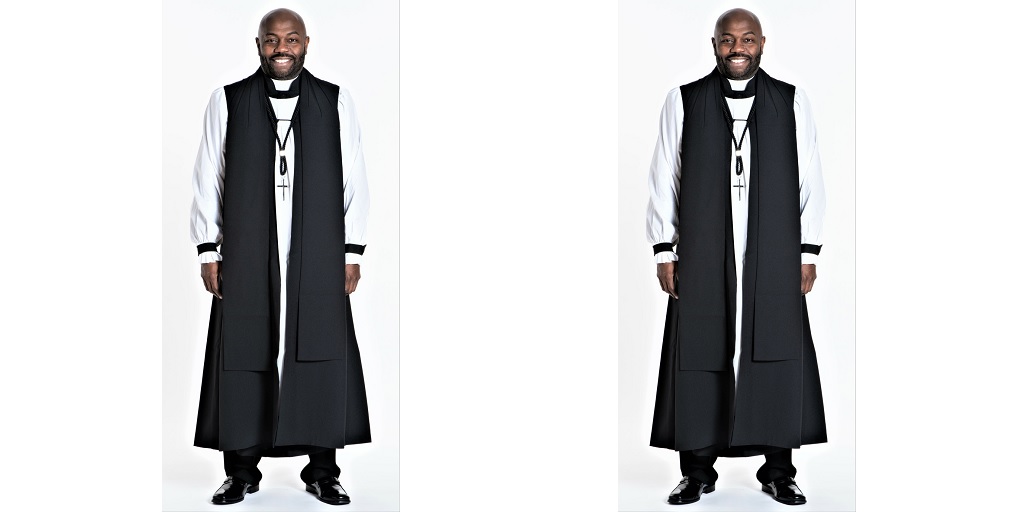
Clergy members are at the forefront of community engagement and provide essential services to their congregations and beyond. In their clerical vestments or clergy shirts,, their roles extend beyond religious practices and involve fostering a sense of belonging, offering support, and promoting overall spiritual and emotional well-being.
Building Trust and Relationships
One of the primary functions of clergy is to build trust and establish meaningful relationships with community members. Through regular interactions, they create a safe and welcoming environment where individuals feel comfortable seeking guidance and support. This trust forms the foundation of the special connection between clergy and the community.
Providing Spiritual Guidance
Clergy members are responsible for providing spiritual guidance to individuals who seek meaning and purpose in their lives. They offer pastoral care, teach religious doctrines, and help people navigate through challenges and dilemmas by providing moral and ethical guidance based on their religious teachings.
Counseling and Support
In addition to spiritual guidance, clergy members often serve as counselors and provide emotional support to individuals and families facing various life issues whether they are in their clerical vestments or civilian wear. They lend a listening ear, offer guidance, and help individuals cope with grief, relationship problems, and other personal struggles.
Community Outreach and Social Services
Clergy members actively engage in community outreach initiatives and social services. They collaborate with local organizations and community leaders to address the needs of marginalized groups, such as providing food and shelter for the homeless, organizing educational programs, and supporting charitable initiatives.
Doing these community services, they contribute to the overall well-being of the community.
Addressing Social Issues
Clergy members play a crucial role in addressing social issues within the community. They use their platforms to raise awareness about injustices, advocate for positive change, and promote inclusivity and equality. Their influence extends beyond religious matters, making them influential figures in promoting social justice.
Celebrating Milestones and Traditions
In their vestments made for clergy, they are present during significant milestones in individuals’ lives, such as weddings, births, and funerals. They officiate ceremonies, provide blessings, and offer spiritual guidance during these important events.
Their involvement in these milestones strengthens the bond between the clergy and the community, as they become an integral part of people’s personal journeys.
Healing and Reconciliation
During times of crisis and conflict, clergy members play a crucial role in fostering healing and reconciliation within the community. They promote forgiveness, facilitate dialogue, and encourage understanding among individuals and groups.
Their presence and guidance help build bridges and mend relationships, creating a more harmonious community.
Advocacy and Social Justice
Clergy members often advocate for social justice causes, championing the rights of the marginalized and oppressed. They lend their voices to speak out against discrimination, inequality, and other societal injustices. Their advocacy work inspires community members to take action and make positive changes in society.
The special connection between clergy and the community is rooted in trust, support, and a shared sense of purpose. Clergy members play diverse roles within the community, including providing spiritual guidance, counseling, and engaging in community outreach initiatives.
They still face challenges, but clergy members continue to serve their communities with dedication, compassion, and a commitment to making a positive impact.
