
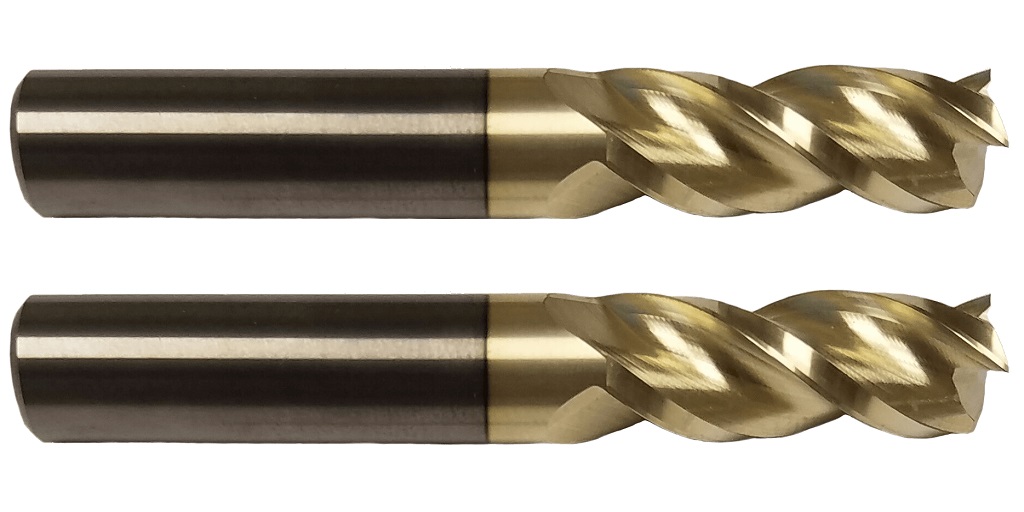
In the ever-evolving landscape of the manufacturing industry, precision is paramount. As companies strive to enhance efficiency, improve quality, and reduce costs, the role of precision tools has become increasingly vital.
Among these tools, end mills have emerged as an essential component, revolutionizing machining processes and elevating the standards of precision in manufacturing.
The Significance of Precision Tools
Precision tools play a crucial role in the manufacturing industry by enabling highly accurate and efficient machining operations. They are designed to shape, cut, and form materials with exceptional precision, ensuring that every component meets exact specifications.
The demand for precision tools arises from the growing complexity of modern products and the need to produce intricate parts with impeccable accuracy. Materials such as steel and aluminum require special tools, such as end mills for aluminum made of carbide.
Advancements in manufacturing techniques and technologies have fueled the pursuit of precision tools. These tools enable manufacturers to achieve tighter tolerances, minimize material waste, and optimize production cycles. As a result, precision tools contribute to enhanced productivity, improved product quality, and ultimately, increased customer satisfaction.
End Mills: Precision at the Cutting Edge
Among the wide array of precision tools, end mills have become the workhorses of the manufacturing industry. These cutting tools are used in milling operations to remove material from a workpiece, creating features such as slots, pockets, and contours.
End mills consist of rotating cutting edges, known as flutes, which come in various shapes and configurations to suit different machining applications.
End mills for aluminum and other materials have improved in design, materials, and coatings. This has enabled manufacturers to achieve exceptional precision and efficiency.
The following factors highlight the significance of end mills in the pursuit of precision:
Versatility
End mills are available in numerous configurations, including square end mills, ball nose end mills, corner radius end mills, and more. This versatility allows manufacturers to machine a wide range of materials and create complex geometries with precision.
Cutting-edge Materials
Modern end mills are crafted from high-performance materials, such as carbide, cobalt, and high-speed steel, which offer superior hardness, wear resistance, and thermal stability. These materials ensure prolonged tool life, consistent performance, and reduced downtime.
Innovative Coating
End mills often feature advanced coatings, such as titanium nitride (TiN), titanium carbonitride (TiCN), and diamond-like carbon (DLC). These coatings enhance tool durability, reduce friction, and improve chip evacuation, resulting in improved surface finish and reduced tool wear.
Specialized Design
Manufacturers can choose from specialized end mill designs, such as variable helix/end mills, chip breakers, and coolant-through end mills. These designs are tailored for specific applications, such as high-speed machining, trochoidal milling, and deep slotting, ensuring optimal performance and precision.
Computer-Aided Design and Manufacturing (CAD/CAM) Integration
End mills are seamlessly integrated into CAD/CAM software, allowing engineers to simulate machining processes and optimize toolpaths. This integration minimizes human error, optimizes cutting strategies, and further enhances precision.
The Pursuit for Precision: Impact and Benefits
The pursuit of precision tools, including end mills, has led to several notable benefits, such as:
Enhanced Product Quality
Precision tools enable manufacturers to achieve tight tolerances and impeccable surface finishes, resulting in superior product quality. This is particularly crucial in industries such as aerospace, medical, and automotive, where precision is non-negotiable.
Increased Efficiency and Cost Savings
Manufacturers can optimize machining processes, reduce material waste, and enhance productivity. This increased efficiency translates into significant cost savings and improved competitiveness in the global market.
Innovation and Complexity
The availability of precision tools has driven innovation and enabled the production of complex and intricate components. Industries such as electronics, robotics, and 3D printing heavily rely on precision tools to manufacture miniaturized and highly detailed parts.
Precision tools, especially end mills, have revolutionized the manufacturing industry by providing unparalleled accuracy, efficiency, and quality. As manufacturers strive to meet the demands of a competitive market, the pursuit of precision tools will continue to drive innovation and transform the industry.
