
Drill bits have played a crucial role in various industries such as construction, mining, oil and gas exploration, and more. With the advancement of technology and the increasing demand for better and more efficient drilling equipment, the drill bit manufacturing industry is continually evolving.
And despite the challenges of the Russo-Ukrainian war, the COVID-19 pandemic, and the global recession, the drill bit manufacturing industry is seeing promising trends for the industry and other industries that depend on it.
Trend 1: Drill Bit Manufacturers Promote Advanced Materials
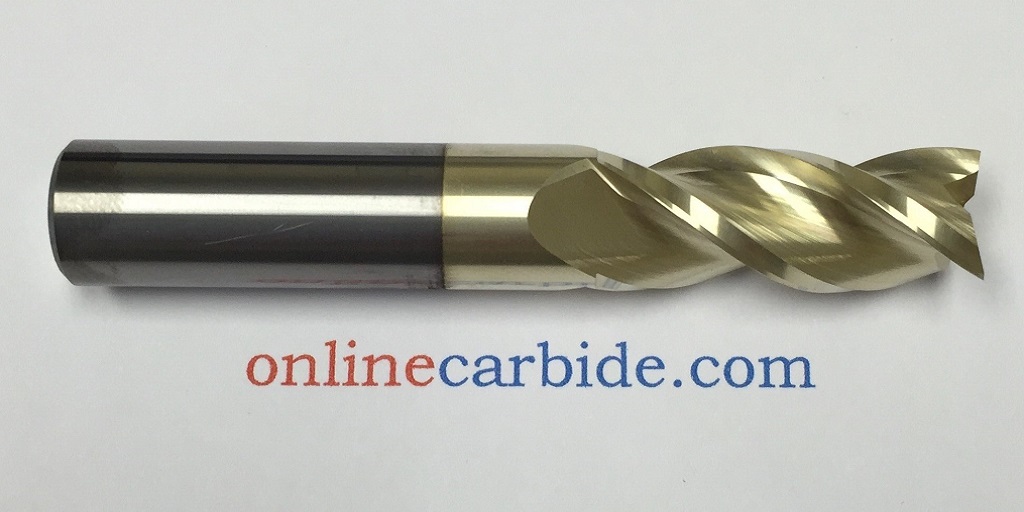
The use of advanced materials is one of the most important trends in the drill bit manufacturing industry. As manufacturers strive to create stronger and more durable drill bits, they are turning to advanced materials such as tungsten carbide and cobalt.
These materials are more durable than traditional steel and can withstand higher temperatures and pressures. They are also able to provide increased accuracy when drilling through tough materials.
Trend 2: Automation and Robotics
With the help of automation, the manufacturing process has become more efficient and cost-effective. Automation enables the creation of precision tooling with tight tolerances, which results in more consistent and reliable drill bits.
Robots are being used in the production process to handle heavy or hazardous tasks that were previously performed manually. The use of robots has also increased the production capacity and reduced the time required to produce each drill bit. Robots are capable of performing complex tasks and can be programmed to work around the clock, which makes the production process more efficient and faster.
In addition to this, automation and robotics have also improved the quality of the drill bits being produced. They have enabled the use of advanced materials, which were previously difficult to handle manually.
The use of these materials has resulted in better performing drill bits with longer lifespans, which reduces the need for replacements and increases the efficiency of drilling operations.
Trend 3: 3D Printing
3D printing technology has revolutionized the manufacturing industry in recent years, and the drill bit manufacturing industry is no exception. It has enabled drill bit manufacturers to create high-quality and customized drill bits quickly and cost-effectively.
Here are some of the ways 3D printing technology is helping drill bit manufacturers to make the best drill bits for their clients:
Customization
With 3D printing technology, drill bit manufacturers can create customized designs that are tailored to meet the specific needs of their clients. This allows for the creation of drill bits with unique shapes, sizes, and features, resulting in increased efficiency and productivity for their clients.
Rapid Prototyping
3D printing technology enables manufacturers of drill bits and other tools to create prototypes quickly and easily, reducing the time and cost associated with traditional prototyping methods. This allows manufacturers to test and refine their designs quickly and efficiently, ensuring that they produce the best drill bits for their clients.
Improved Quality
3D printing technology enables drill bit manufacturers to produce high-quality drill bits with greater precision and accuracy than traditional manufacturing methods. This is because 3D printing allows for the creation of complex shapes and geometries that are difficult to produce using traditional manufacturing methods.
In the drill bit manufacturing industry, trends are always evolving. As technology advances and new materials become available, it’s important to stay on top of the latest developments in order to stay competitive.
The drill bit manufacturing industry will continue to see an uptick in growth as these trends continue to drive the market. For drill bit manufacturers and their clients, the only way to overcome the current challenges is to stay up-to-date to remain competitive.
