
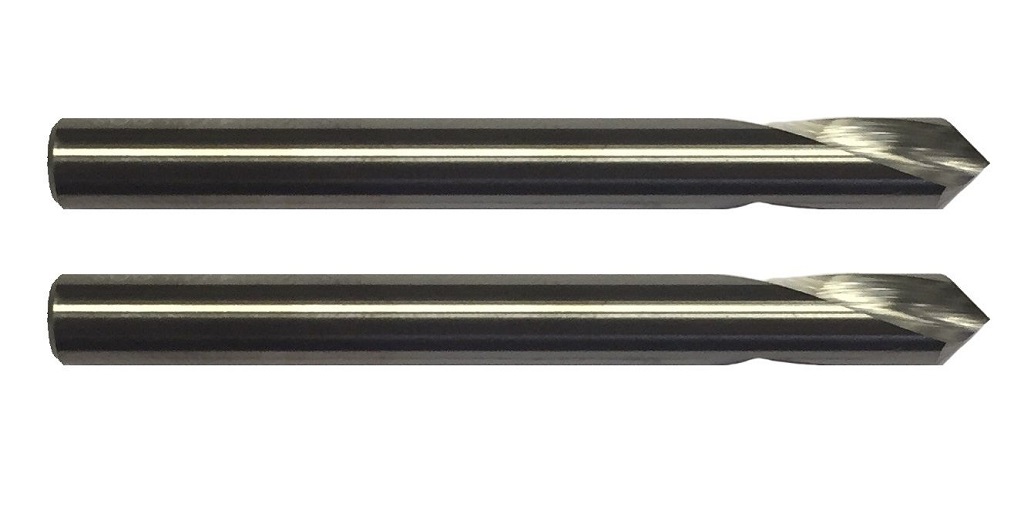
Spot drilling is a process of creating a small depression in a workpiece that provides a starting point for a subsequent drilling operation. It is an essential process that is used in many manufacturing industries.
However, using spot drills correctly is crucial for ensuring high precision and accuracy. Let’s explore how to use a spot drill correctly.
Introduction to Spot Drilling
Spot drilling is a process of creating a small hole or depression in a workpiece that is used as a guide for a subsequent drilling operation. The hole or depression created by a spot drill is shallow and small, typically less than 1/8 of an inch in diameter.
Spot drilling is essential because it helps to prevent the drill bit from wandering, which can result in inaccurate holes.
Choosing the Right Spot Drill
The diameter of the spot drill should be slightly smaller than the diameter of the subsequent drill bit. It is also important to consider the material of the workpiece when choosing spot drills. For example, when drilling through harder materials like steel, a carbide spot drill is recommended.
Spot Drilling Techniques
There are different techniques for spot drilling, but the following steps are generally recommended:
Secure the Workpiece
The workpiece should be secured firmly on the workbench or drilling machine. This helps to prevent it from moving during the drilling process, which can cause inaccuracies.
Choose the Right Speed and Feed Rate
The speed and feed rate are critical factors that affect the accuracy of the drilling process. The speed should be slow enough to prevent the drill bit from overheating and fast enough to avoid breaking or chipping the drill bit. The feed rate should also be controlled carefully to prevent the drill bit from wandering.
Mark the Spot
Using a center punch or a marker, mark the spot where the spot drill will be placed. This helps to ensure that the spot drill is accurately placed.
Place the Spot Drill
Place the spot drill in the marked spot and apply light pressure to ensure that it is accurately placed. The spot drill should be perpendicular to the workpiece to prevent it from wandering.
Drill the Spot
Drill the spot to the required depth. The depth of the spot should be shallow enough to prevent the drill bit from wandering but deep enough to provide a starting point for the subsequent drilling operation.
Common Mistakes When Using a Spot Drill
Avoiding common mistakes when using a spot drill is crucial for ensuring high precision and accuracy in the drilling process. Here are some tips to help you avoid common mistakes:
● Using a spot drill that is too large.
Using a spot drill that is too large can cause the drill bit to wander and lead to inaccurate holes. Ensure that the spot drill is slightly smaller than the diameter of the subsequent drill bit.
● Using a spot drill that is not perpendicular to the workpiece
Ensure that the spot drill is perpendicular to the workpiece to prevent it from wandering. Use a center punch or a marker to mark the spot where the spot drill will be placed.
● Using too much pressure when drilling the spot
Apply light pressure when drilling the spot to prevent the drill bit from wandering. Avoid using too much pressure, as this can cause the drill bit to break or chip.
● Drilling the spot too deep
The depth of the spot should be shallow enough to prevent the drill bit from wandering but deep enough to provide a starting point for the subsequent drilling operation.
Spot drilling is an essential process that is used in many manufacturing industries. Using a spot drill correctly is crucial for ensuring high precision and accuracy. It is important to choose the right spot drill, use the correct speed and feed rate, and follow the correct techniques for spot drilling.
