
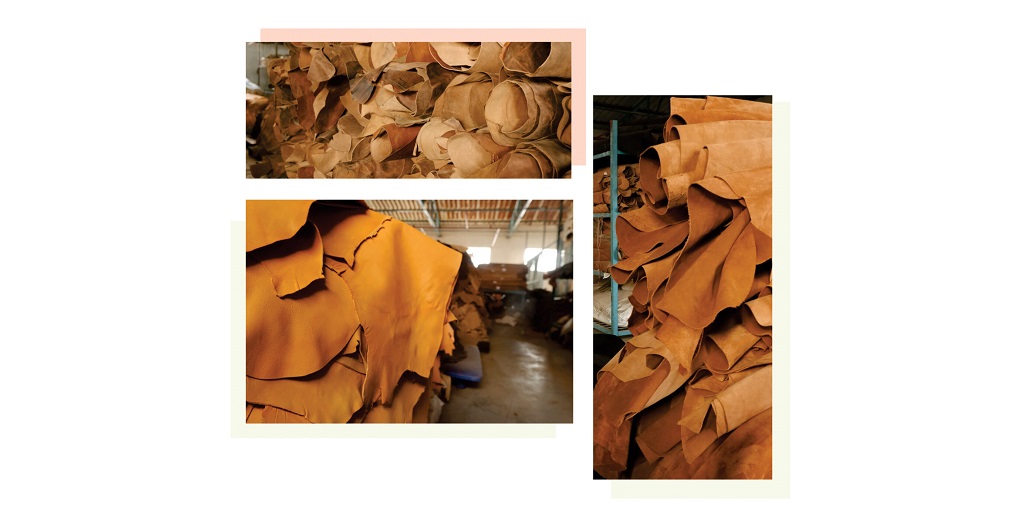
Leather is one of the most popular raw materials across a wide range of consumer goods. To get the best from leather, it is important to invest in genuine leather. Only genuine leather can assure the several good qualities of leather. Here are a few simple steps to check if the leather you are condiering to buy is genuine.
Look at the label
The common terms used in the leather industry by genuine leather manufacturers in India are “Genuine leather”, “100% real leather”, or “Full top grain leather”. If you see any of these terms describing the product, you are in the right direction to invest in genuine leather.
If the label says “Man-made material”, you can be assured that it is synthetic and can be something like flexible polyvinyl chloride. Also, in some cases, if there may not be any mention about the material, probably it is a synthetic material or PVC. This is because any leather manufacturer will want to proudly state that they are giving you real leather. Also, if you find the price too good to believe, it is most probably fake leather since genuine leather always carries a decent price.
Inspect the leather closely
Closely examine the leather’s surface. Since real leather is a natural material made from a real animal’s skin, it is very unlikely to find a uniform surface. Imperfections and blemishes are natural characteristics of real or genuine leather. If you spot imperfections, it is a sign of good leather.
How to identify fake leather
Synthetic leather sports a uniform surface. It is very irregular and its surface will reveal that it is a machine made piece of material. Manufacturers of synthetic leather always apply faux grain patterns to surfaces like flexible polyvinyl chloride. In this way, fake leather is given a genuine look. But, you must know that there is nothing real about it.
Touch properties
You must first remember that real leather is a natural material and therefore, running your fingers across the surface will not feel perfectly smooth. You just press your fingers into the leather and you will find wrinkles and stretches in the surface like the skin.
When you run you fingers across faux leather, you will find it unnaturally even and cold. Pressing the fingers into the leather surface will not act like skin. It will not stretch or wrinkle. Rather, it will simply depress under your fingers and retain its shape eventually.
Smell of leather
Real leather smells in a distinctive way. The natural organic scent of leather is unique and it can never be accurately manufactured.
Faux leather on the other hand smells like plastic. If you find a plastic smell in the leather you want to check for genuineness, you can bet that it is synthetic.
These are some simple tests that you can perform easily to find out if the leather you are considering to buy is genuine or synthetic. Find reputed manufacturers to source genuine leather and get the best value for your investment.
