
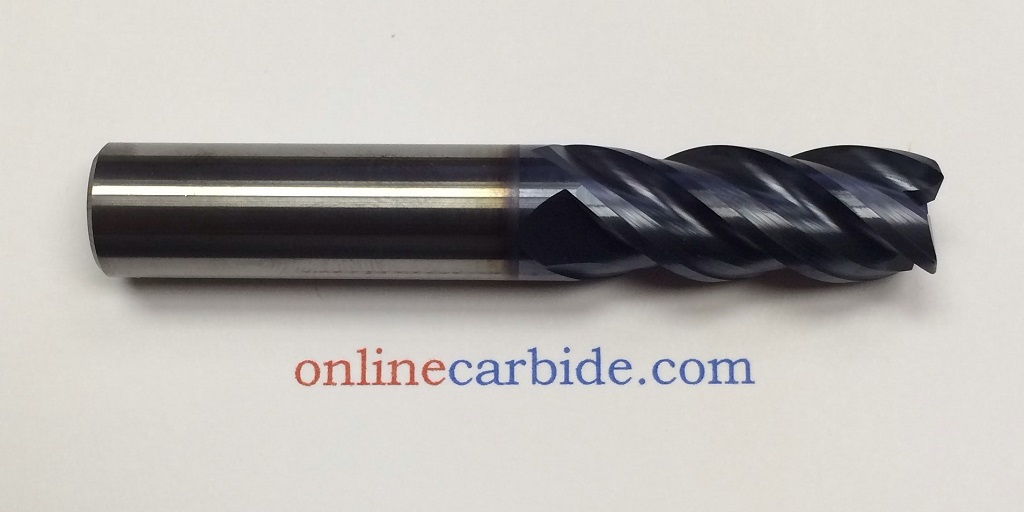
Carbide is a unique material that is widely used in manufacturing and fabricating tools. It is composed of a combination of carbon and metallic elements, usually tungsten or titanium. Carbide is known for its high hardness, toughness, and wear resistance, making it an ideal material for cutting tools and other applications that require high durability and precision.
Carbide has special qualities that make it the ideal material for end mill sets and other manufacturing and fabricating tools. Let’s explore these qualities and understand more of this metal!
What is Carbide?
Carbide is a material that is composed of carbon and a metallic element, usually tungsten or titanium. It is a ceramic material that has a high hardness and wear resistance, making it ideal for cutting tools and other applications that require high durability and precision.
Carbide is also known as cemented carbide, tungsten carbide, or titanium carbide, all used in carbide end mill sets.
How is Carbide Made?
Carbide is made through a process called powder metallurgy. In this process, the raw materials, usually tungsten carbide powder and metallic cobalt, are mixed together and pressed into a mold.
The mixture is then sintered in a furnace at high temperatures, which causes the tungsten carbide particles to bond together with the cobalt. The resulting material is a hard and dense solid that can be shaped into various forms, such as cutting tools, wear parts, and other industrial components.
Properties of Carbide
Carbide has several properties that make it an ideal material for manufacturing and fabricating tools. These properties include:
High Hardness
Carbide has a high hardness that is second only to diamond. This property makes it ideal for cutting tools, as it can withstand high temperatures and pressures without deforming or wearing out quickly.
Toughness
Carbide is also known for its toughness, which is its ability to resist cracking or breaking under stress. This property makes it ideal for tools that are subjected to high impact or shock loads, such as drill bits, end mills, and other cutting tools.
Wear Resistance
Carbide has a high wear resistance, which means that it can withstand abrasive wear and deformation better than other materials. This property makes it ideal for tools that are used in high-speed machining, as they can maintain their cutting edges for longer periods of time.
Chemical Stability
Carbide is chemically stable, which means that it is resistant to corrosion and oxidation. This property makes it ideal for tools that are used in harsh environments, such as those that are exposed to chemicals or high temperatures.
Thermal Conductivity
Carbide has a high thermal conductivity, which means that it can conduct heat well. This property makes it ideal for cutting tools that generate a lot of heat during use, as it can help dissipate the heat and prevent the tool from overheating.
Resistance to Deformation
Carbide is resistant to deformation, which means that it can maintain its shape no matter the pressure it undergoes. This is an essential quality in manufacturing.
The fabrication process requires materials that can withstand intense pressure and heat, and carbide has all the qualities to make it the best material for most tools. Carbide end mill sets and other equipment will be ubiquitous in the manufacturing scene, until the next wonder material appears to revolutionize the industry.
