
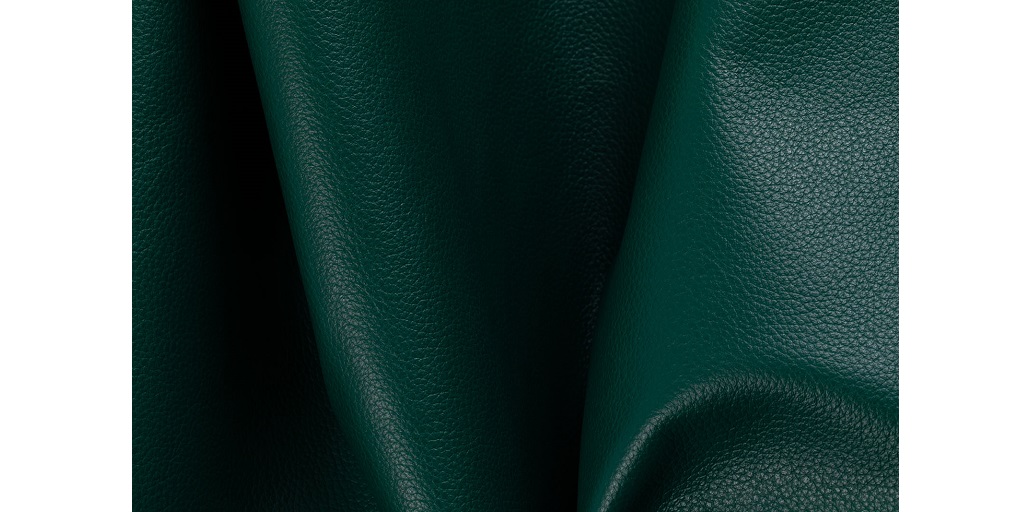
Cowhide leather and skin are among the most popularly used materials by humans down the history. There are different terms connected to the leather obtained from cow such as cowhide leather and skin. However, not both these terms are used in the same context as they actually refer to the different versions of the same material. Here is how to tell the difference between cowhide leather and skin.
The differences between the different forms of the leather obtained from cow are due to the differences in tanning method, leather part or cut, finishing and the end application.
Cowhide leather
Cowhide leather is the material where the whole shape of the animal as found in the original animal is retained during the tanning process. The chrome tanning process makes the skin suitable for the purpose of making upholsteries, car interiors and furniture in addition to a range of leather goods.
In fact, cowhide leather is the most common form of cow leather you will find in the market and it is also the cheapest due to the simplicity and inexpensive nature of the production process. While referring to whole skin, the term ‘hide’ is used to indicate that the skin of the animal is in its whole form. Cowhide rug is the material that results when the cowhide is tanned with hair on it.
Characteristics of cowhide leather
The most common characteristics of cowhide leather include chrome tanning, soft firmness, size ranging from 40 to 60 square feet, thickness between 1 and 23 mm, different kinds of finishing like aniline, semi-aniline, printed or pigmented.
What is cowhide skin?
Any material that is used in the making of leather goods is called ‘skin’. The term skin refers to different types of tanned, pre-tanned, or raw hides extracted from animals. The skin may be in any stage of its processing like intermediate or final. The tanning process subjects the cow skin to different processes. Re-tanning and dying are most common processes connected to producing cow leather. Fattening is done depending on the purpose for which cow skin will be used.
The genuineness of cowhide leather
Since cow hide leather is used to refer to a material that is obtained by tanning and processing the raw cow skin.
Usually cowhide leather is one of the cheapest kinds of leather. The quality and finishing achieved in the processed leather will also decide the price. One of the reasons why cow hide is the cheapest option among different leathers is that it is most commonly available.
On the other hand, the skins of calf, bulls are more expensive since they sport superior quality. Their availability is also little rarer than cow skin.
As discussed above, cowhide that you can buy from cow skin leather suppliers is a versatile kind of material that can be tanned and processed in a variety of ways depending on the purpose for which you want to buy it. Cowhide can last for so long like many other forms of leather.
