
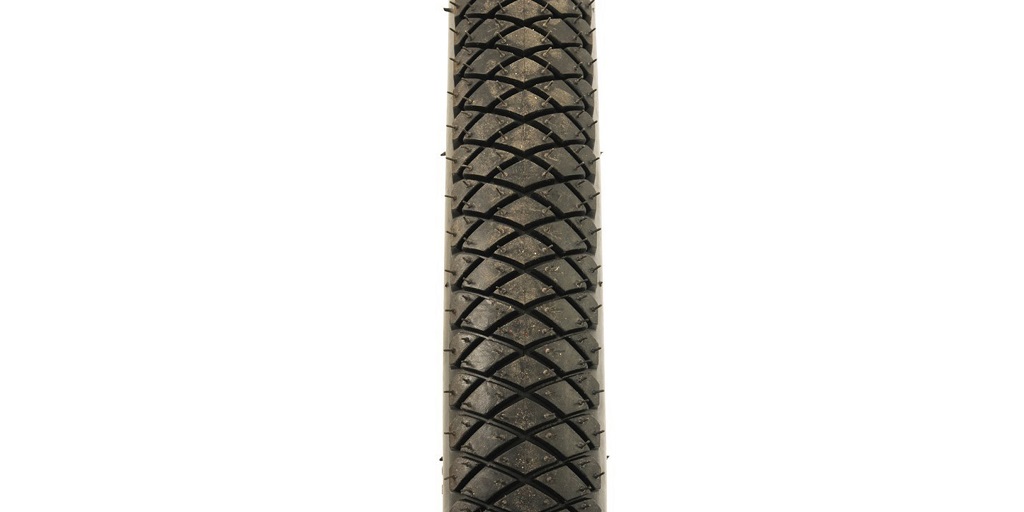
Are you the proud owner of a new unicycle? If this is your first one, then heed the following words.
The PSI markings on your tire’s sidewall are a recommendation for bike riders, not unicycle riders.
What does that mean for you? It means you need to set different expectations and rely on the experience of people that have been doing this for years.
We got the following advice from the people at Unicycle.com.
Why You Shouldn’t Fill the Tire to the Maximum Indicated Pressure
If you fill your unicycle’s tire according to the marking on the sidewall, your unicycle is not going to handle well. In fact, it’s going to handle like a rock, and no one wants to ride a rock.
This problem will be even more greatly magnified if you’re riding a unicycle with larger tires, like 36-inch or even 32 inch tires.
If you fill up one of these larger tires to 65 PSI, not only will the unicycle not handle well, but you could also cause irreparable damage to the tire; in fact, the tire can pop right off.
Setting the Tire Pressure for Success
The good news is this isn’t rocket science. It’ll take a little riding and reflection from you, but it’s not difficult.
Regardless of your unicycle’s tire size (unless you have a Nimbus Hatchet, see below), fill it to 30 PSI. Get in the saddle and ride about a bit.
If the unicycle handles well, you’re set. If it’s too sluggish or difficult to steer, add 3 to 5 PSI, then get back in the saddle and try it again.
If you like the way it rides, you’re good to go. However, the same observations apply. If it’s sluggish or hard to control, add 3 to 5 PSI, then try again.
Repeat this process until the unicycle handles as you’d like. If you overinflate it during the process and feel as though the unicycle is a little bit too reactive, just let out one to two PSI at a time and then test-ride it.
Remember that as little as one PSI will make a big difference in how a unicycle handles, so don’t rush the process.
Take note if you have a unicycle with 36 or 32 inch tires. Higher tire pressure can make the tire feel like solid rubber which will not offer a comfortable ride.
Most riders find that the ideal rolling resistance (for most surfaces) for these tires is achieved by inflating the tire to between 30 and 50 PSI.
Keep in mind that your weight will also impact how the unicycle handles. Start at 30 PSI and increase the pressure in small increments and test it out to see how it rides.
For Nimbus Hatchet Riders
There are special considerations you need to make if your unicycle is a Nimbus Hatchet.
Because these are high-volume tires, they need to be set to a lower pressure. We recommend a max tire pressure of between 20 and 30 PSI. In fact, in most cases, even 20 PSI will be too high.
With a Nimbus Hatchet, start by setting the tire pressure to 10 PSI. Test it out and see how it handles. If it is too sluggish, add one PSI and try again. If the tire feels overinflated, let out one PSI and try again.
Move up or down in one PSI increment until you achieve the ideal ride.
Still Have Questions? Consult the Experts
If you have additional questions or would like the help of an experienced rider, get in touch with the experts at Unicycle.com.
Visit their website where you can learn more in their blog and in their FAQs sections, reach out to them through their live chat, or get in touch with them by phone at 678-494-4962.
