
Polyethylene is one of the world’s most widely produced plastics, with some estimates accounting PE as the most widely used and produced plastic of all, with 30% of the world’s share. Polyethylene is one of the world’s most widely produced plastics, with some estimates accounting PE as the most widely used and produced plastic of all, with 30% of the world’s share.
This is due in part to the fact that polyethylene is easy and affordable to produce, and is relatively resource-non-intensive to produce, compared to other plastic polymers. Many other plastics can say the same.
One of the traits of polyethylene, also known as PE or poly, that makes it so practical as a plastic is the fact that it can be recycled easily, which this article is going to address.
What Is Polyethylene Used for?
Being so widely produced, polyethylene is equally widely used in numerous different industries for a large collective variety of different applications. Polyethylene can be used to produce:
● Mailing and shipping containers
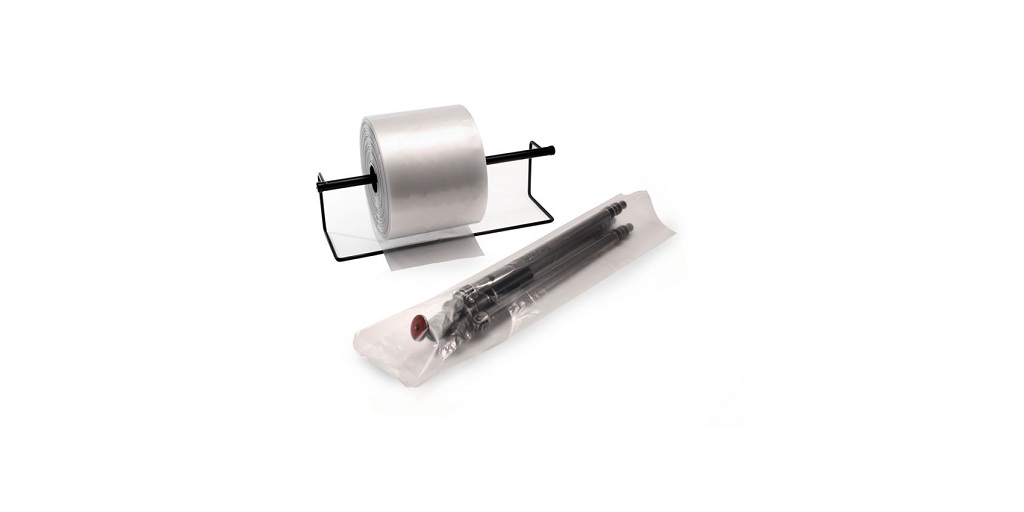
● Packaging materials, like bags and poly tubing rolls
● Shrink wrap and sheets
● Plastic bottles such as drinking water bottles and milk jugs
● Detergent bottles and plastic canisters
● Trash and grocery bags
● Agricultural mulch and ground cover
● Electrical wire and cable insulation
● Appliance housings
● Toys
● Housewares
● Poly lumber furniture
These are some of the many uses of polyethylene. As you can see, it has a wide range of uses in not only domestic but also industrial and commercial applications.
Can Polyethylene Be Recycled?
It would be fair to say that plastic recycling is, in some ways, impractical. Due to the chemical nature of some plastics, they cannot be easily recycled. Moreover, the costs of recycled plastics are higher than new plastics because the process consumes so many resources to sort through, segregate, prepare, melt, and reform plastics before reusing them. But there are some polymers that are much easier to recycle than others.
One of the defining features of polyethylene is the fact that it can be recycled, provided it has not been bonded with other polymers to form composites. Polyethylene (regardless of grade) has a relatively simple chemical structure consisting of hydrogen and carbon atoms. It can be easily melted down and reformed for future use.
The process of recycling polyethylene is relatively straightforward. First, the plastics must be sorted and prepared. Polyethylene must be sorted according to grade prior to recycling – into LLDPE, LDPE, MDPE, and HDPE, for instance. The plastics must also be cleaned of all residue before proceeding.
Then, the polyethylene material is either shredded or granulated, turning the material into pellets of relatively uniform size and thickness. These pellets can then be heated and reformed into new PE materials such as new bags, canisters, or even furniture.
While PE is easily recyclable, another selling point of PE is that it is considered non-toxic, so even if it makes its way into the environment, it is not believed to release toxic components as it breaks down, unlike certain other plastic materials such as PVC.
Polyethylene As a Packaging Material
Because of polyethylene’s low cost, relatively minimal environmental impact, and the fact that it can be easily recycled, it has become widely used, especially in the packaging and logistics industries.
Polyethylene has been widely used to produce shrink wrap, poly tubing rolls, gusseted poly bags, poly sheets and tarps, zip-closure bags, and much more. It has even been used to produce specialty products like anti-static wrap and bags, mattress bags, and garment bags.
It is not only affordable and recyclable, but durable and reliable under a wide range of environmental conditions, making it widely suitable for use in industries ranging from logistics to retail packaging.
Where Can You Learn More?
If you’re interested in learning more about polyethylene packaging products and materials like poly tubing rolls and bags, visit Edco Source online at EdcoSource.com and then create an account to start saving on these materials today.
