
There are lots of finishes that can be applied to wood. Among these are oil-based finishes, polyurethane, shellac, varnish, stain, wax, and many more. Some of these finishes either are (or contain) toxic chemicals or solvents that are harmful to the environment, toxic to humans, leave behind an unpleasant odor, or are resource-intensive to apply.
Over time, conventional wood finishes, both oil and water-based, release solvents into the atmosphere. Many of these are considered VOCs, or volatile organic compounds, that are implicated in a range of harmful health effects, decrease the quality of indoor air, and may even be carcinogenic.
While it is necessary to finish commercially-produced wooden products like furniture and structure to protect them against wear, aging, and rot, there is a better way: UV coatings.
UV coatings are different from traditional oil and water-based coatings in that, instead of using a solvent to apply a finish to a piece of wood, in UV-curing (the process which creates a UV coating) ultraviolet light is used to create a finish on the surface of the wood.
UV coatings consume minimal resources and are also minimal contributors to pollution. They do not release large concentrations of solvents and it is also energy-efficient to apply them, so they waste less energy, too.
That’s not the only thing that makes UV coatings superior to traditional wood finishes. They produce a clean aesthetic that is extremely durable and long-lasting, and they are highly efficient at protecting the wood to which they are applied.
Like woods finished with conventional treatments, UV-cured wood is resilient to light damage, moisture damage, rot, moisture loss, warping, and so much more. It offers many of the same benefits as traditional wood treatments and finishes, but is better for the environment, consumes fewer resources, produces less pollution, and in some instances, is longer-lasting. Additionally, UV coatings, unlike some oil-based finishes and varnishes, generally do not need to be reapplied.
What Producers Use UV Coatings?
While some manufacturers don’t apply UV coatings because they increase the cost of production, some companies have made a concerted effort to double down on best practices that benefit not only the environment and their consumers, but also improve the quality of their finished goods.
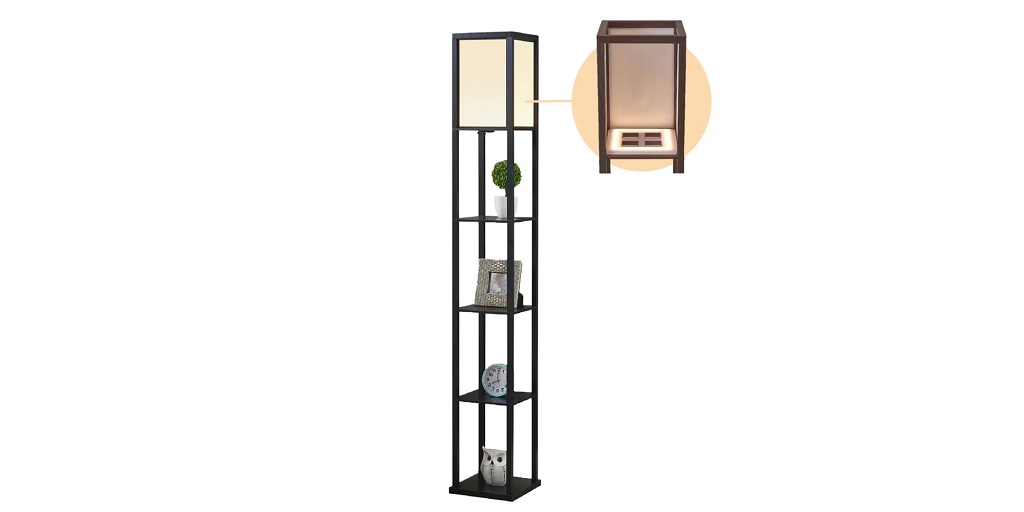
Consider ATAMIN, which produces mid-century modern side tables, floor lamps with trays, shelf floor lamps, end tables with charging stations and USB ports, curio shelves, and so much more.
Their unique furniture is made of high-strength, highly durable engineered wood that is finished with a UV coating that is long-lasting and environmentally friendly. Many of their designs featured energy efficient, integrated LED lights, and some of their tables and lamps even feature charging ports.
In addition, their minimalist-inspired floor lamps with trays, charging desks, and other designs are compatible with a wide range of settings and schools of design and are perfect for living rooms, bedrooms, offices and studies, and even kitchens. Learn more about their commitment to producing furniture and accessories that are simply better by design online at Atamin.com.
