
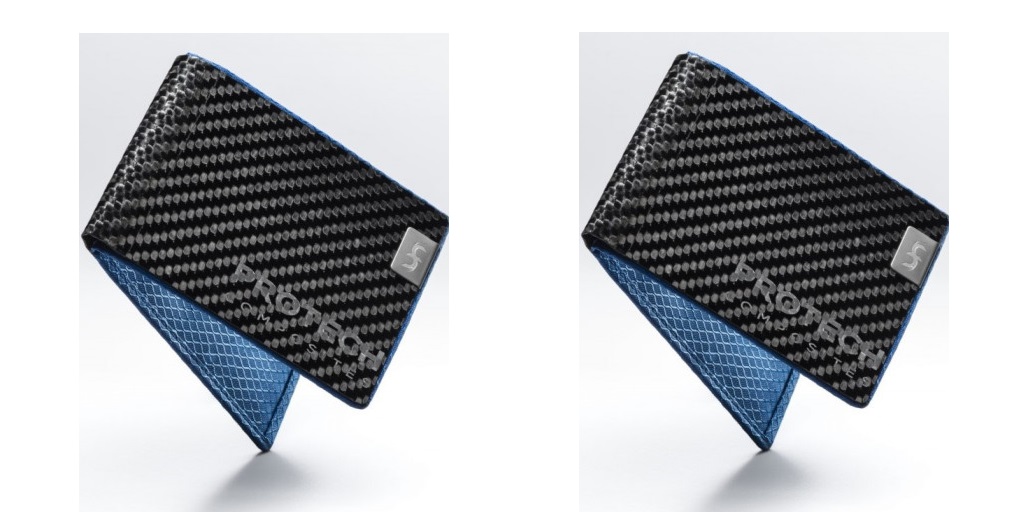
So, you have decided to leverage the superior advantages of working with carbon fiber and are now looking for the right finish for your project.
Carbon fiber products come in many different formats, and choosing the best combination of thickness, stiffness, and finish, can sometimes overwhelm those not familiar with the particularities of composites.
So, today I´m going to talk about the differences between “dry” and “wet” carbon fiber finishes and their uses.
Gloss Carbon Fiber
Some manufacturers refer to these as “wet” carbon fiber finish and suggest that the name comes from their wet and glossy appearance. However, the name comes from the fact that to obtain this glossy finish, the carbon fiber sheet is infused with liquid resin.
It is important to note that many gloss carbon fiber parts out there are just plastic parts wrapped in carbon fiber. The carbon fiber wrap does not offer any additional advantages other than adding a purely aesthetic value to the product.
However, there are specialized carbon fiber manufacturers, like Protech Composites, that create high-quality gloss carbon fiber veneer. These are used in a wide variety of applications and products. However, gloss carbon fiber is not particularly resistant to wear, being prone to scratches and surface smudging, so they usually need an extra layer of resin or clear coat for protection.
Among the most common uses, we have car interior wrapping as the carbon fiber texture gives instrument panels a more imposing appearance and elegance. Houseware manufacturers have started to see the benefits of wrapping their products with carbon fiber veneer as it gives them a unique look and feel, and also provides added structural integrity as sheets keep all the material properties of this amazing composite.
Other industries have also started to use gloss carbon fiber as part of their manufacturing process. You can find smartphone cases, laptops, walls, and even musical instruments wrapped in gloss carbon fiber sheets.
“Dry” Carbon Fiber
This category refers to both untreated and prepreg fibers. Again, the term “dry” is applied because the fibers appear dry. In the case of prepreg, the resin is embedded in the fabric during the manufacturing process, giving it a slightly tacky feel. Frequently used in molded products, it’s cured at high temperatures to create a finished product.
Dry sheets are more scratch-resistant and are textured on both sides for added adhesive properties. Dry carbon fiber can also be given a glossy finish by placing gelcoat on the mold surface during the manufacturing process.
In general, gloss carbon fiber is more affordable simply because the sheets are thinner and require less material. They´re ideal for products that benefit from the aesthetic qualities of carbon fiber, while dry carbon sheets are the way to go for complex molded products that require the lightweight advantages of carbon fiber.
Gloss carbon fiber is a favorite in many industries as it is more readily available and affordable while providing great protection and improved looks. Additionally, if you need a matte look, the excess resin can be removed by sanding.
If you need a reliable gloss carbon fiber provider, visit Protech Composites and find out more about their composite products.
