
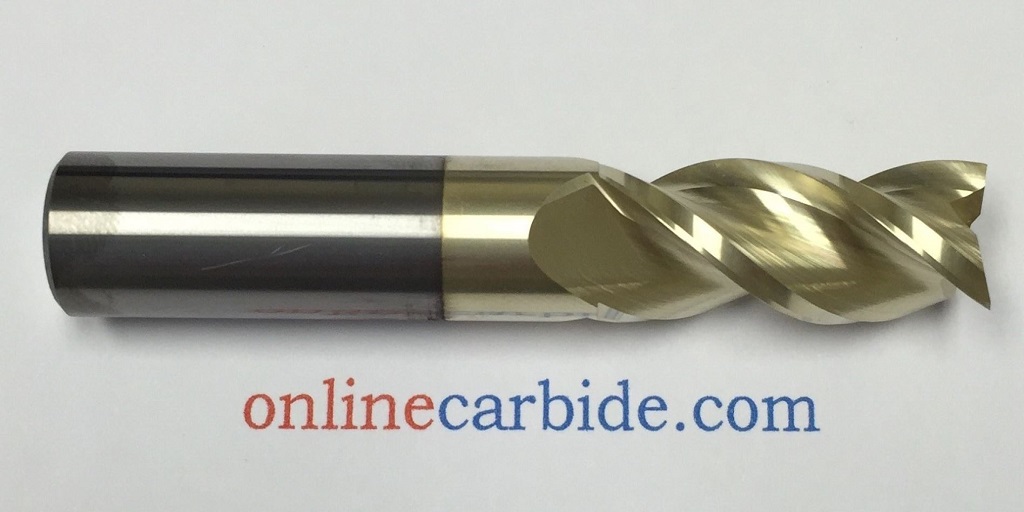
One of the challenges of machining metals is that the temperature goes up quickly if you are not careful enough. The stately crawl of high-speed cutting tools, even in softer materials like aluminum, can make anyone impatient, especially when you have tight deadlines and need to fulfill a time-sensitive deadline. Increasing production when machining this gummy metal usually means acquiring faster spindles, coming up with more efficient toolpaths, and, of course, choosing the right end mills for aluminum.
However, aluminum poses some interesting problems. Even though it is not as hard as non-ferrous materials like titanium or Inconel, and does not pose the same challenges as composites and hard plastics, aluminum can earn our hate if we don´t understand its properties.
Embracing Basic Vibration Analysis
Aluminum is often regarded as one of the easiest materials to machine. You can drive your tools at high speeds and still perform heavy cuts without a problem. However, aluminum harmonic resonance kicks in as soon as you hit a certain RPM, causing the all-too-familiar chatter we all dread. This chatter affects accuracy, leaves rough finishes behind, and often forces us to perform additional low-speed passes to compensate. It also tends to damage the tool, reducing its overall durability and causing a negative impact on your downtime cycles.
Our immediate reaction to chatter is to reduce speed and make lighter cuts. However, this has proven to be a very inefficient solution. Chatter is not caused by hitting your piece aggressively or going too fast. It is caused by an effect that’s similar to the sound produced by a needle sliding through the grooves on a vinyl record. These grooves make the needle vibrate in different frequencies producing distinctive sounds.
When our end mills perform a pass, they leave microscopic grooves on the machined surface that will interact with the cutting tool the next time it comes in contact with it. This is unavoidable, of course, but chatter only becomes a problem when the cutting edges of your tool move in perfect synchrony with the micro-grooves. You feel that when the vibration starts going out of control.
However, the harmonic properties of aluminum have proven to be very unique. Instead of reducing speeds as soon as you hit the “chatter” zone, and go back to the same old grind, the best way to reduce chatter is to increase RPMs to around 15.000 revolutions per minute.
Amazingly, when you hit the 15k mark, the chatter disappears and you can go back to more aggressive cuts, allowing you to drastically increase production. Of course, you must only try this when using the best carbide end mills for aluminum. They come with a higher price tag than their steel counterparts, but they last up to ten times more and can withstand much higher temperatures for uninterrupted cuts.
Get the best end mills for aluminum from the legendary Online Carbide. They are an American carbide cutting tool manufacturer specializing in high-performance tools. Check out their incredible prices or get on the phone with one of their specialists today to find out more about their amazing tools.

