
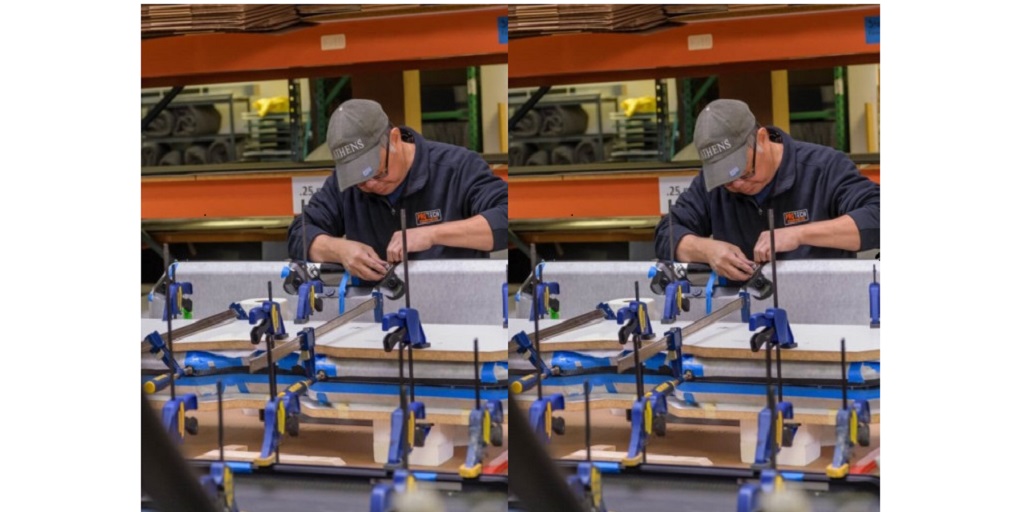
The future of carbon fiber manufacturing companies shines brighter than ever. In the automotive industry, carbon fiber has proven to be excellent for drastically increasing the performance of cars by replacing extensive parts of the chassis with lightweight and resistant carbon fiber pieces. However, the composite material has also been eyed for more extensive automotive applications such as powertrain systems, and BIW applications, as well as the renewable energy industry.
Given its strength-to-weight ratio, malleability, corrosion resistance, and rigidness, it was only natural for it to replace steel and aluminum as the go-to material in the automotive industry. The only obstacle for it to reign supreme was its high cost.
Domestic carbon fiber manufacturing companies, such as Protech Composites, have had a positive impact on the industry by lowering overall prices while increasing quality standards. This has opened the door for many manufacturers to start experimenting with composite materials and creating lines of premium high-performance products in various industries. However, the costs of carbon fiber were hard to justify, even in demanding industries that benefit from its groundbreaking features.
But the tide seems to be shifting. There is an increased demand for lightweight materials, especially in the automotive and energy industries. The regulatory environment has given clear signs of favoring makers committed to reducing greenhouse gas emissions and increasing fuel consumption efficiency.
The reduced weight of carbon fiber is known to enhance performance in vehicles, and even make them safer for drivers. Reduced weight makes cars faster and more responsive while requiring less energy. Additionally, carbon fiber reacts differently to impacts. Aluminum and steel absorb energy when impacted, sometimes directing it towards the cabin and its occupants. In contrast, carbon fiber spreads the energy outwards in all directions. That’s why, if sufficient force is applied, carbon fiber tends to shatter. However, this drastically reduces the effects of dangerous forces during a crash and protects the driver from injuries better than steel and aluminum.
Automotive industries seem to be taking carbon fiber more seriously now as cars that effectively reduce their carbon emissions and footprint will also be shielded from future regulations that target fossil fuels. The reduction in weight affects energy consumption by improving factors such as steering, braking, fuel efficiency, and energy conservation. In short, this means that electric cars can expect to increase their independence range as well as their interior space in the upcoming years, giving them a clearer advantage relative to their fossil fuel counterparts.
The energy industry has taken an interest in carbon fiber manufacturing companies as well. Renewable energy production from eolic sources greatly benefits from lightweight and rigid materials. The large blades used in wind turbines are designed to provide increased stiffness and deflection levels for improved performance. The only problem is size and weight. Larger blades mean more trapped wind power and more electricity production. However, they need to be light enough to be moved easily, and rigid enough to prevent energy deflection. Carbon fiber solves these problems as they make it possible to design towers with increased rotor diameters for their projected blade-to-tower clearance.
As many have noticed, there is a renewed push not only for green energy but also for lighter materials that allow us to easily reach our sustainability goals. Carbon fiber manufacturing companies are now investing in more efficient processes and diversifying their portfolio to make sure they satisfy the demands of the future.
Protech Composites is among the fastest-growing carbon fiber manufacturing companies in the US, focusing on quality and performance for high-end carbon fiber applications. Their dedication and ethos have earned them a solid reputation among manufacturers in many high-performance industries and renewed their interest in American Made composite materials. Visit their website and learn more about their amazing products.
