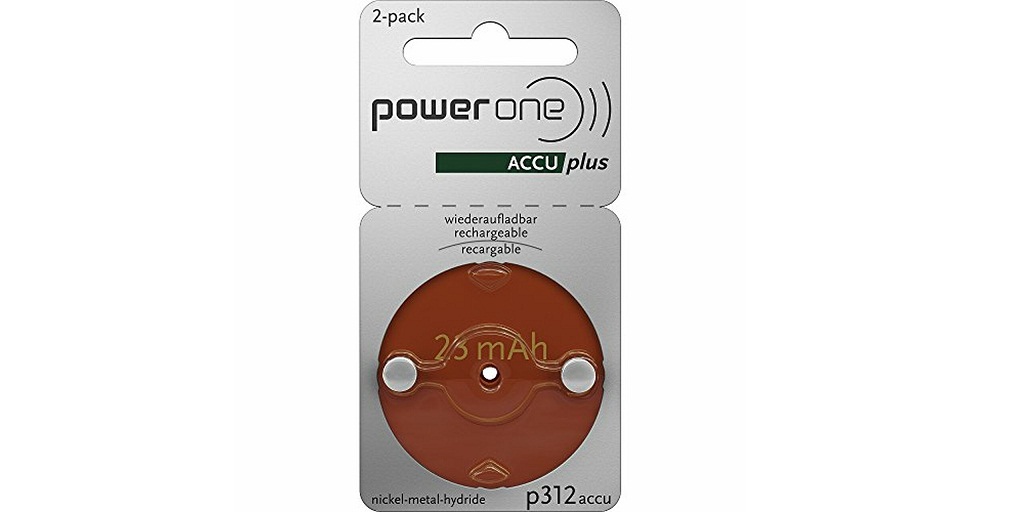
When it comes to your hearing aids, the type of battery they utilize has an influence on their function, their total cost, and how long you can wear them during the day. As a result, whether you’re replacing an old hearing aid or purchasing your first hearing aid, it’s critical to pay attention to the device’s battery specifications. If you decide to go with rechargeable hearing aid batteries, this is an important factor to keep in mind.
In the beginning, rechargeable hearing aid batteries weren’t as dependable as they are now. The batteries have gotten better and better over the years thanks to technological developments by manufacturers. In terms of power and endurance, they’ve now caught up to and even surpassed those found in smartphones and laptop computers. As a result, many find them to be a more convenient means of engaging in discussion and hearing what others have to say.
Furthermore, after only a few hours on the charging station, completely rechargeable batteries for hearing aids are good to go for the entire day. In addition, the batteries are seldom updated. Decreased monthly expenditures, as well as better gadget management for persons with reduced eyesight or dexterity, are two benefits of this approach to technology adoption.
Ease of Use and Convenience
Batteries for disposable devices are quite small. The package might be difficult to understand. Injuries or old age might have an impact on your dexterity, which can be a deal-breaker. Using a rechargeable item is as simple as placing it on the charger before going to bed. When you wake up, you’ll have enough power to last the entire day. With hearing aids having to be plugged into a charger, it is more probable that individuals will know where to find them when they get up each morning.
Ecologically Sound
Users who are concerned about the environment will be relieved to know that they will not be tossing away a hundred tiny button batteries each year. A lithium-ion rechargeable battery has an average lifespan of five years before it has to be replaced with a new one, as opposed to a disposable battery, which can last as little as three days before needing to be replaced. One battery for a rechargeable hearing aid lasts for one year on average. In the same period of time, a single typical hearing aid uses up to 100 or more disposable batteries. That represents a significant amount of waste.
Consistent Usage
The latest technology has demonstrated that hearing aids may operate for a whole day on a single battery. In fact, a single charge may provide you with up to 24 hours of power! When fully charged, lithium-ion rechargeable hearing aids batteries can last up to 30 hours. Even if you use your device to stream audio for many hours a day, most batteries should last at most 12 to 18 hours until they need to be charged again.
It’s evident that rechargeable batteries for hearing aids are here to stay for the foreseeable future. There is no surprise that rechargeable batteries for hearing aids are offered by all the major manufacturers and online hearing aid suppliers. In order to get the ideal one for you, you must balance your needs with your budget.
Lithium-ion batteries are expected to last at least four or five years before they need to be replaced. Many brands and types ensure that everyone has access to the rechargeable batteries for hearing aids most suited to their needs and lifestyles.
Suggestions For Purchasing Hearing Aid Batteries
Your audiologist can help you choose which type of hearing aid battery is best for your needs and your wallet, both in terms of performance and cost.
The vendor, and not the battery manufacturer, often sets the terms for shipping and returns for the batteries they offer.
For affordable Rechargeable Hearing Aid Batteries and other hearing aid care kits, shop only at Local Battery.