
Is there really anything better than spending time in the great outdoors? Surrounding yourself with towering mountains dotted with trees and pristine shrubbery is one of the most therapeutic and revitalizing acts one can do for themself.
However, as peaceful as it is to go camping, it is not without its stresses and even dangers. Camping in the woods can lead to dangerous scenarios, such as getting lost, needing to make a fire in a dire situation, and even encountering wild and harmful animals. In order to best avoid or, realistically, survive these circumstances, you need to be properly prepared.
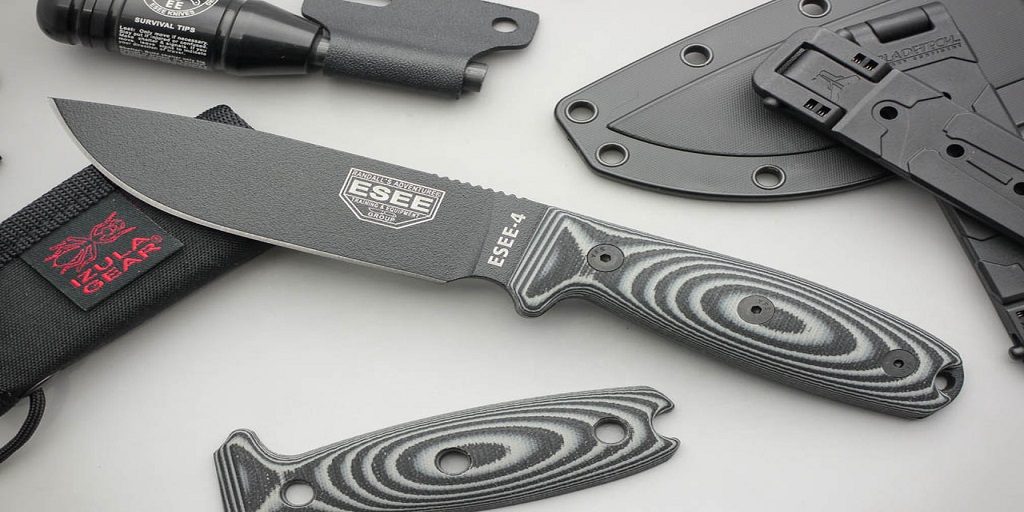
One of the tools that is highly recommended is custom-made camp knives. These items can accurately provide you with the protection and utility you need while camping. Because they are made to suit your needs and preferences, you can use them comfortably and with increased performance.
However, it’s important that you properly care for your camp knives, especially those that are custom-made, to keep them serving you efficiently for years to come. Here are five tips for caring for custom-made camp knives.
1.Don’t Abuse the Tip
The tip of the blade is the most fragile yet utilized part of the blade. Be sure to take close care of this particular part. When you do, you’ll ultimately be caring for the rest of your blade and overall knife as well.
2.Keep the Blade, Handle, and Sheath Clean
There will undoubtedly come a time where you will need to clean your knife. However, each part requires a unique cleaning process. When cleaning the blade, wash it with gentle detergent, rinse carefully, then dry it.
As for your handle and sheath, wipe them with a wet cloth, then buff them with a dry one. You can use Renaissance Wax on any part of your knife as well, as it works to fight rust and other undesirable stains on the blade, handle, and even sheath.
All you need to do is place a very small amount on the part of the knife you need and leave it. It’s easy as that!
3.Do Not Use Excessive Oil
When you use any oil on a sheath, it can attract small particles that can later scratch the blade of your knife. Plus, it can weaken your sheath. All issues you don’t want to ever deal with! Don’t use oil. Instead, use wax, as it remains slick and fights unwanted particles.
4.Don’t Overexpose to Sun or Extreme Heat
When you leave your knife in the hot sun or in any raised temperature, ultraviolet light can oxidize wood. High temperatures can bake the protective oils out of hardwood, but also ruin sheaths.
5.Store Knife with Sheath, not in it, for Long-Term Storage
For long-term storage, it’s important to not leave your knife in the sheath, as the chemicals of leather can react with air and cause detrimental effects on your blade, like corrosion. Instead, store the knife in a clean plastic bag with photographic quality desiccant to repel moisture.
If you are looking for the finest custom-made camp knives for your next camping trip and the many that follow it, be sure to browse The Knife Connection’s diverse catalog. Give them a call at (866) 336-2834 to get any and all of your questions addressed.
