
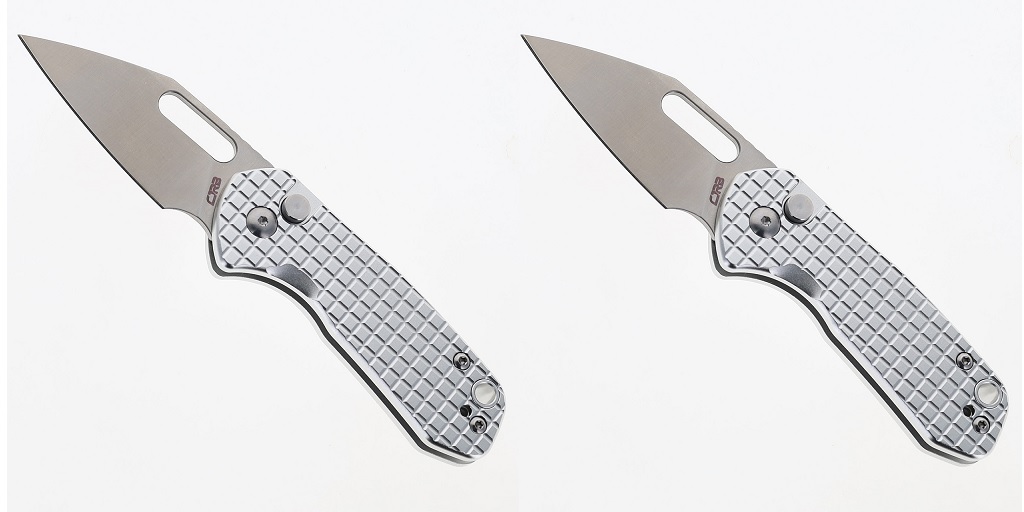
A Leatherman pocket knife is a tool built for life, made with (mostly) corrosion-resistant alloys and built to a standard of quality that, while not rare in the industry, is scarcely upheld frequently at the same level.
Maintenance of a Leatherman is also fairly straightforward. That’s why it shouldn’t be too hard to avoid these mistakes.
You know how to care for your Leatherman pocket knife. Here’s what you shouldn’t do.
Expose It to Saltwater
Admittedly, this is easier for some users than for others. If you work on a boat or live along the shore, that’s that.
But, if you can help it, don’t take your Leatherman with you on your coastal treks. Use another tool. Leatherman pocket knives are made with stainless components – but not bit drivers, which are made of tool steel, and will rust.
Also, never dip it in saltwater.
Not Oil It
Failing to oil it is just as much of a misstep. You can use moisture-displacing lubricants like WD-40 to drive out moisture, or conventional tool oils to help lubricate the moving parts and seal them off for protection against corrosion.
Point is, there are lots of treatments you can use. The problem arises when you forget to.
Use It As a Hammer
It might be tempting to fold up the Leatherman and use it as a striking implement, and in the spirit of fairness, Leatherman tools are built tough. They might be able to handle it.
But just because you can do something doesn’t mean you should.
Leave Gunk in the Pivot Points
This goes back to remembering to keep your tools clean. Not only is an accumulation of junk at the pivots unsightly, but it can contain sand, dirt, and dust that are abrasive and will wear the joint down.
So it’s not just about the grittiness of operation, it’s about the longevity of the tool. Either stick to a predetermined maintenance schedule or clean it whenever you see that stuff start building up.
Abuse the Tools
This could mean more than one thing, but let’s put it this way. If the tool’s not designed for it, and you pause before starting, maybe it’s not a good idea.
Here are some good pointers:
- Don’t throw it
- Don’t hammer with it (already covered)
- Don’t pry with a knife tip
- Don’t do anything that causes straining
And you should be good, more or less.
Leave the Blade Dull
The last suggestion we have here, respecting what not to do with a Leatherman, is to make sure you keep its blades sharp.
A sharp knife cuts cleanly and with minimal effort. A dull knife is a dangerous knife because it will not cut without the expenditure of additional effort, and will require you to work harder.
It is easier to slip and inflict an injury with a dull knife than with a sharp one, so let that be a lesson and keep a stone wherever you keep your oil. A good turn requires lubrication and to touch up the blades.
In Need of a New Leatherman Pocket Knife?
Here not because you don’t know how to take care of a Leatherman pocket knife, but because you need a new one?
Get it online at White Mountain Knives. They carry a wide range of Leatherman products (in addition to tons of other popular brands) and offer competitive prices. They also have a large catalog of exclusives produced in collaboration with the top knife designers and manufacturers in the industry, and offer free shipping on orders in the United States.
