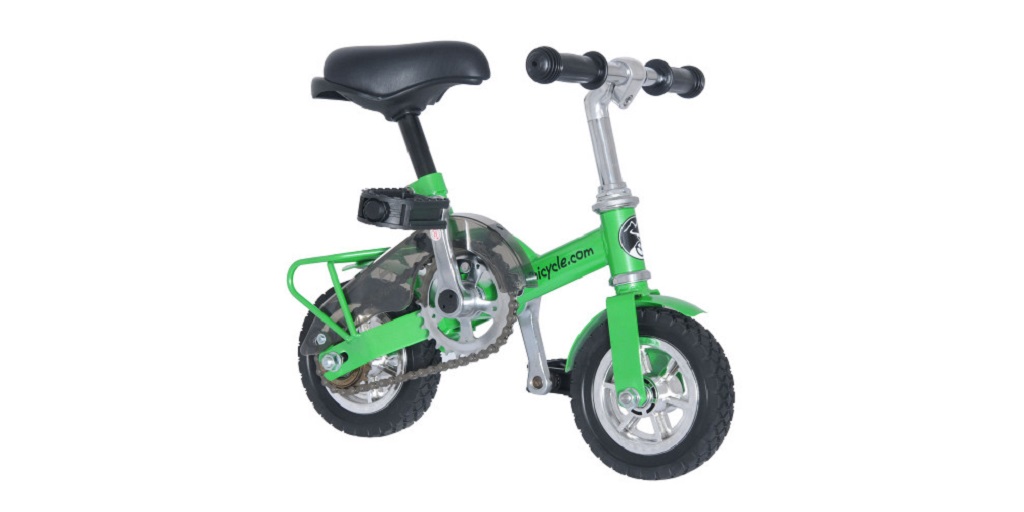
Whether your cycle of choice is a onewheeler or a bike (or, God forbid, a minibike) there are some good practices out there for loading it up before a long-distance trip.
Heed the advice of those that have done this. Follow these tips.
1. Don’t Take What You Don’t Need
The more you load up your bike or unicycle, the heavier it will be, and the harder it will be to ride and control. That will tire you out.
Don’t take more than you need – so what is it that you need?
Well, proper clothing, a first aid kit, basic tools (pedal wrench, pump, etc.), a spare spoke and tube, water, food, some cash, your phone, and identification. You’ll also need a bivvy or tent if it’s a multi-day trip and you plan to camp out.
These are the bare-bones essentials. You can carry more, but remember, if you do, it’ll require more effort from you.
2. Wear MTB Shoes (or Better, Regular Shoes and Flat Pedals)
If this is a true long-distance trip that’s going to take several days, you want shoes that are comfortable. Morale suffers when comfort sags.
Or, even better than MTB shoes, wear regular running shoes or sneakers and go with a bike or unicycle that has flat pedals. It might not be as energy-efficient, but over the long haul, it will be much more comfortable and you’ll be able to dismount and move around easily without having to carry an extra pair of shoes just for walking.
3. Setting up Camp: Bivvy Tips
For those of you that are planning a multi-day trip that entails camping, you’ll need to be ready for that, too.
You need to be flexible because, although you can plan your route, you may not know where you’re really going to be when the sun starts to go down.
So you need to be able to read the land. Pick a high spot (less likely to flood) and preferably in an area shaded by an overhang or vegetation, as this will keep you dry in most weather while blocking the wind.
4. Pedal Smart
You don’t want to be going full-bore right out of the gate, because if you do you will get winded faster, whether you’re on a bike or a unicycle.
Pace yourself. Long-distance riding is a marathon, not a spring. Every effort you take should be metered and gradual.
If you notice yourself getting tired early in the ride, just imagine how that’ll feel in three days.
5. Fuel Wisely
How much fluid you will need will depend on your exertion levels as well as heat and humidity, but in general, plan on drinking between 8 and 16 ounces of water per hour of active exertion.
Your body needs food, too. Don’t sweat feeling like you need to stop and take a bite. If you do, you do.
Also, fuel up heavily before the ride begins and make the pre-ride meal calorie and carb-heavy.
Gear Up and Get Ready
If you need tools, safety gear, pedals, spokes, or tubes before you set out, or even a new saddle, visit Unicycle.com. They carry much more than just unicycles and minibikes.
Visit their website via the link above or get in touch with them at 678-494-4962.