
Do your feet feel a little itchy or uncomfortable lately? You might be wondering what’s going on. Athlete’s foot is one of the most common fungal infections out there, and you don’t have to be an athlete to get it. It thrives in warm, damp environments: the kind produced by sweaty socks, locker rooms, and tight shoes.
The good news is that athlete’s foot is easy to spot if you know what to look for, and with the right treatment, you can get rid of it quickly. Here are some of the signs that you may have athlete’s foot:
Persistent Itching Between Your Toes
One of the most common signs of athlete’s foot is itching that just won’t quit, especially between the toes. It might start as a mild annoyance, but it can quickly turn into an urge to scratch constantly.
This itching happens because the fungus irritates the skin, and scratching can make things worse by spreading the infection.
Red, Peeling, or Cracked Skin
The appearance of your skin is another major clue. Specifically, if it’s red, flaky or even peeling – these can all point to athlete’s foot being the culprit. Sometimes the skin will crack, leaving painful splits that can sting whenever you take a step. This is your body’s way of telling you that the skin barrier is under attack.
Burning or Stinging Sensation
Athlete’s foot doesn’t just itch. Sometimes, it can actually hurt. A burning or stinging sensation, especially after removing shoes, is a sign that the infection is irritating your nerves. Some people describe it as a prickly or raw feeling on the bottom of their feet.
Blisters or Small Sores
In more severe cases, athlete’s foot can cause small, fluid-filled blisters. These blisters might pop on their own, leaving raw patches of skin that feel sore and tender. If you see blisters forming, it’s definitely time to take action because this stage can be extremely uncomfortable and harder to treat.
Unpleasant Odor
While some foot odor is normal after a long day, a strong, persistent smell can be a sign of a fungal infection. The fungus thrives on moisture and sweat, which can produce an odor that’s hard to ignore.
How to Treat Athlete’s Foot
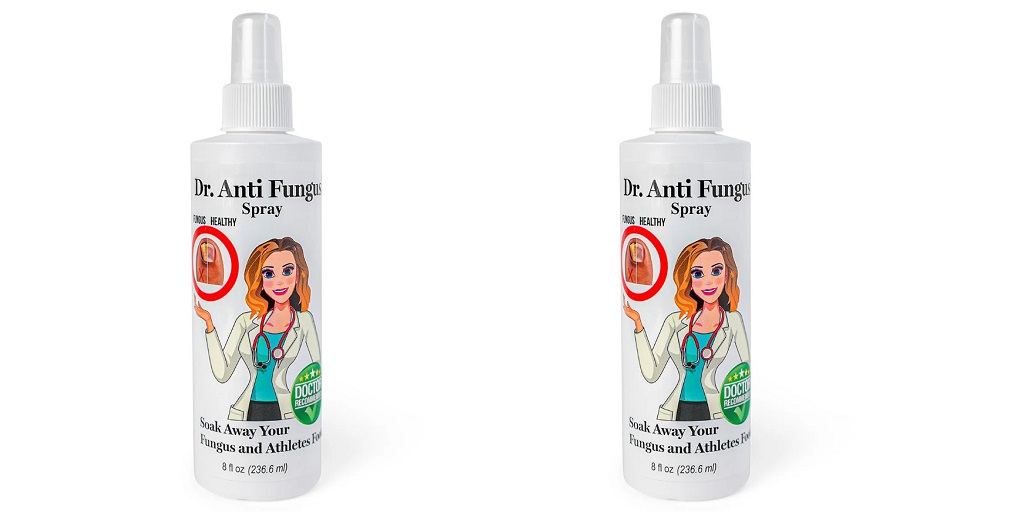
Fortunately, treating athlete’s foot is usually simple. You can make use of a specialized fungi spray for feet like the Dr. Anti Fungus Hand + Foot Spray. Its hero ingredient is tolnaftate, a powerful antifungal agent that stops fungal growth at its source.
This fungi spray for feet is the ideal companion to the Dr. Anti Fungus Hand + Foot Soak, when used together and consistently, these products can relieve athlete’s foot symptoms such as itching, burning, scaling, and irritation.
It’s also important to keep your feet clean and dry. Wash them daily, make sure to dry them thoroughly (especially between the toes), and wear breathable socks. If your feet sweat a lot, change socks often. Finally, avoid sharing shoes or towels to stop the infection from spreading.
Athlete’s foot is annoying, but it’s nothing to be embarrassed about. By recognizing the signs early, you can treat it before it gets worse.

