
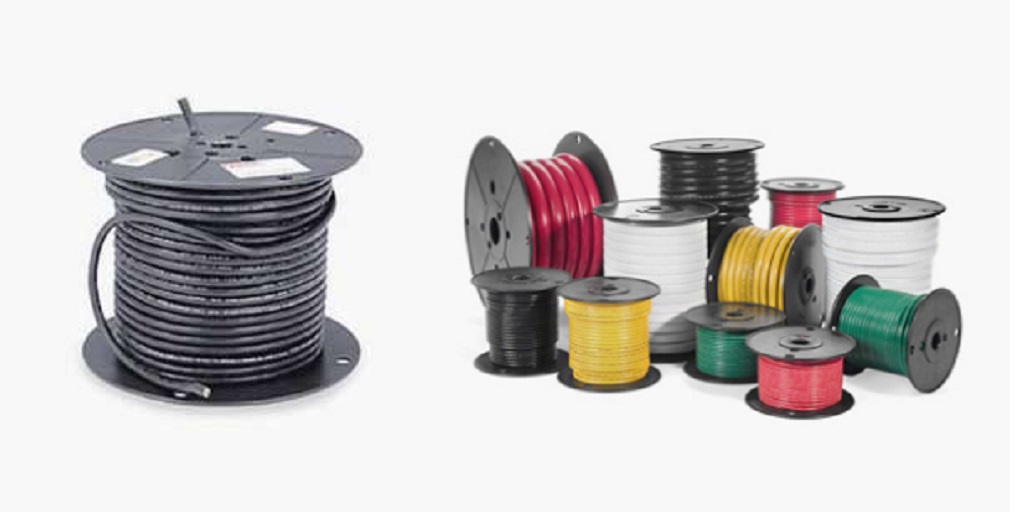
Marine electrical wire is very finely stranded to uphold a high degree of flexibility to ensure operability and help prevent breakdown in marine environments.
It is also made with individually tinned conductors that serve as a hedge against corrosion, even where the wire is exposed. Even in adverse conditions, the individually tinned strands resist the travel of corrosive influence up under the insulation.
That said, there are still things you can do to help prevent corrosion and fires. Here are some of the best of them.
Avoid Stripping Unnecessarily
If you can avoid exposing your marine electrical wire, do so. While the wire is engineered to resist corrosion, it’s best to leave the jacket in place as a redundant failsafe.
Protect Exposed Wire and Contacts with Dielectric Grease
One of the things you won’t be able to avoid is stripping the wire to make electrical connections. Where you have stripped the wire, protect exposed areas with dielectric grease.
This is a special type of grease that is a very effective insulator, and which is also highly effective at sealing off what’s underneath (in this case marine electrical wire) from the atmosphere and the corrosive influences it contains, such as moisture, seawater and salt.
Wherever you strip the wire or make a connection, coat any exposed wire with grease to help prevent it from rusting.
One caveat is to make sure that the grease does not interrupt the connection or interfere with it. Since this type of grease is an insulator it will prevent sure contacts if it gets under them – only use a surface application.
Use Only the Appropriate Gauge Marine Electrical Wire
What gauge marine electrical wire is appropriate for any given application will be determined by how much power it draws, among other factors.
However, one potential cause of fires on boats is the use of wire that is too thin for the application. Using wire of an inappropriate gauge (in this case, wire that is too thin to carry the voltage load or current) can result in a bottleneck that makes the wire overheat. In some cases, this can cause a fire on board a boat, which can be deadly.
The bottom line is this: use marine electrical wire of an appropriate gauge for the application, and take no shortcuts. Do not use any grade of wire that is not approved for use in a marine setting; other grades will rust easily which can also cause overheating and fires.
Protect Marine Electrical Wire from Chafing
Many fires on board boats are presumably caused by wires that are not protected, causing them to chafe and allowing the wire underneath to be exposed through the protective insulating jacket.
Wherever wire is exposed make sure to support it appropriately with a wire management system, and if it is coming through a part of the superstructure, make sure not to allow it to chafe against the sides where it is exposed. In some situations, it may even be appropriate, if not necessary, to use a conduit.
The added bonus of using conduit to support and protect marine electrical wire is that it will also keep it neat and out of the way.
Where to Get Marine Electrical Wire
Here not for information on how to protect marine electrical wire, but where to get it in the first place? Check EWCS Wire first. They carry a wide range of specialty electrical wire and cable, including marine battery wire. Visit their website and get in touch with them at Sales@EWCSWire.com if you have any questions.
