
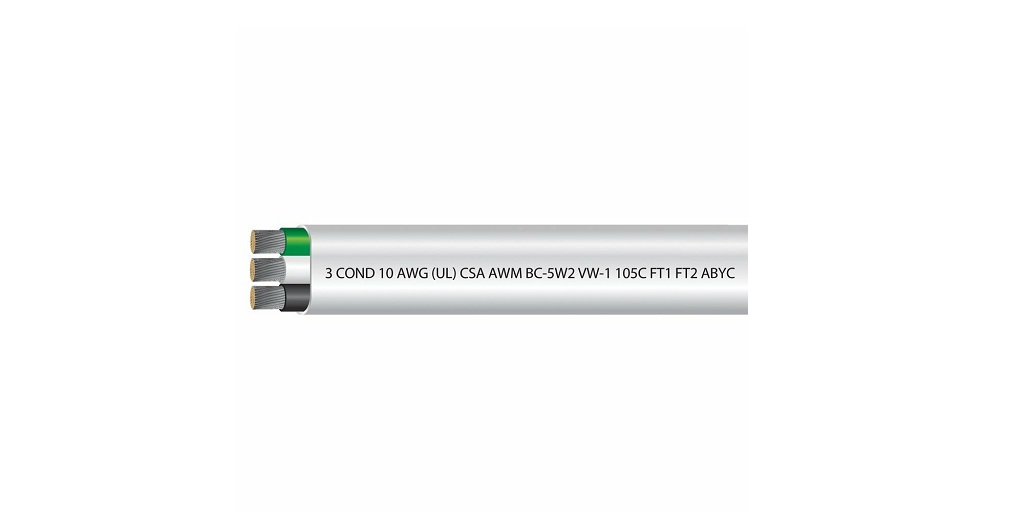
When talking about battery management systems of any kind, battery cables are among the most important components. It does not matter if we´re talking about automotive or marine battery cables, they must ensure you always have stable power and prevent battery drain.
This not only means that they have to be properly secured and protected. Size and gauge play a vital role when choosing the right battery cable for your system.
Here are three things you must always bear in mind when selecting and installing your battery cables.
Proper Gauge
Understanding cable gauges can be a problem for many as gauge measurements can be very counterintuitive. During the early days of the cable industry, cables were made out from a strand of iron that needed to be thinned out by passing them through increasingly narrower drawing dice until they were the right diameter. A 0 gauge cable meant that it didn’t need to be reduced or gauged, while a 30 gauge cable went through 30 drawing dice until it was thin enough for its intended use.
Using the wrong gauge in your battery system is one of the most common causes of power problems. Using gauges that are too thick will not be able to properly distribute power as diameter affects resistance. If your battery cable is too thin for your requirements there is an increased risk of short circuit and even fire.
The best way to prevent gauge problems is to make amp and gauge charts available for everyone involved in the installation and maintenance process.
Proper Length
In the same way cable diameter affects resistance, so does battery cable length. Voltage progressively drops while traveling through a cable. So, the longer the distance, the lower the voltage. If the cable is too long, the electrical resistance will cause the voltage to drop below usable levels.
When trying to determine the correct length and gauge of your battery cable, take Ohm´s Law into account: Voltage drop (V) equals current in amperes (I) times the resistance expressed in Ohm (R), or V=IR.
Consider that thinner wires always have a higher voltage drop rate than shorter but thicker wires. Make sure you and everyone involved take the time to calculate and select the correct battery cable gauge and length.
Strand Count
First, we must understand the difference between cables and wires. A wire is a single conductor, usually made of copper, which can be bare and twisted or be a single thick strand that is difficult to bend. A cable is a group of wires bundled together and insulated.
The strand count inside your battery cable will affect its flexibility: the higher the strand count, the higher its flexibility. Marine battery cables, for example, need to be flexible enough to be driven through narrow spaces and corridors and also provide increased stability under the harsh conditions of a rocking boat.
If you are not sure which gauge, length, or type of battery cable you need, or if you are looking for high-quality battery cables, visit EWCS Wire and check out their incredible variety of wires and electrical components.
